Introduction
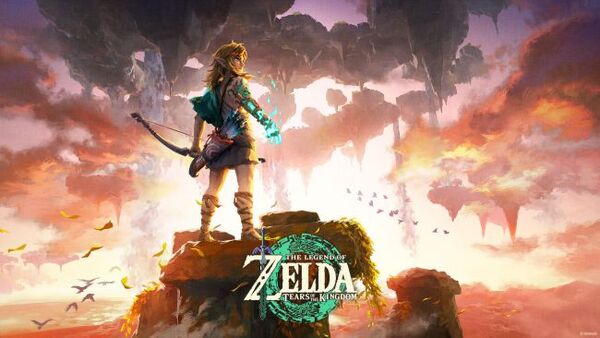
Every Zelda game has something that defines it. Breath of the Wild is remembered for its freedom, while Tears of the Kingdom thrives on creativity and experimentation. Majora's Mask, however, stands apart for an entirely different reason.
Instead of focusing solely on saving the world, it asks players to think about the people living in it. Time constantly moves forward, ordinary residents struggle with fear and uncertainty, and even small acts of kindness can feel meaningful. The result is a Zelda adventure that feels more personal, melancholic, and emotionally complex than almost any other entry in the series.
Majora's Mask may not be everyone's favorite Zelda game, but few would argue that it is forgettable. More than two decades later, many of its boldest ideas remain unmatched. This article explores the things Majora's Mask still does better than any other Zelda game—and why those choices continue to resonate with players today.
1. Majora's Mask Makes Time Matter
If there's one idea that defines Majora's Mask, it's that time should feel important rather than invisible. Many games tell players the world is in danger while simultaneously allowing them to spend fifty hours collecting random items without consequences. Majora's Mask takes a different approach.
The moon is falling.
Everyone knows it.
And, perhaps for the first time in a Zelda game, players feel it too.
1.1 The Three-Day Cycle Creates Real Urgency
The three-day cycle initially feels intimidating. Knowing that the world will literally end if Link does nothing introduces a level of pressure that few Zelda games attempt. Yet the brilliance of the system lies in how naturally it integrates with the world itself.
Residents of Clock Town react differently as the Final Day approaches. Some continue their routines, hoping everything will somehow work out. Others become increasingly anxious. Businesses close earlier. Conversations take on new emotional weight.
Urgency isn't confined to cutscenes or dramatic dialogue.
It's woven into daily life.
That consistency makes the threat feel genuine rather than theatrical.
1.2 Every Choice Feels More Meaningful
Limited time forces players to prioritize.
Should you tackle a dungeon immediately? Help someone in need? Search for a new mask? Reset the cycle and attempt a more efficient route next time?
These decisions rarely have perfect answers. Instead, they encourage players to think carefully about how they spend each cycle.
In most Zelda games, side activities exist separately from the main quest. In Majora's Mask, everything competes for your attention because time itself is a resource.
Oddly enough, this restriction often makes player agency feel stronger.
Your decisions matter precisely because you can't do everything at once.
1.3 Repetition Strengthens Connection
At first glance, repeating the same three days sounds exhausting.
In practice, it often produces the opposite effect.
As players revisit familiar locations, they begin noticing details that previously escaped their attention. They learn where certain characters spend their mornings, which events overlap, and how individual stories intersect.
Termina gradually transforms from a collection of objectives into a functioning community.
There's something remarkably satisfying about reaching the point where you instinctively know what time someone will appear or where they'll likely be found.
You're no longer navigating an unfamiliar world.
You're participating in it.
1.4 Failure Becomes Part of the Experience
Most games encourage players to avoid failure whenever possible.
Majora's Mask understands that failure can be valuable.
Missing an opportunity doesn't necessarily mean you've played incorrectly. Sometimes it simply means you'll approach things differently next time. The game repeatedly reminds players that progress isn't always linear.
Plans fall apart.
Schedules conflict.
The moon wins occasionally.
Strangely, those setbacks often make eventual success more rewarding. Completing a complicated sequence of objectives after several unsuccessful attempts creates a level of satisfaction that simpler task structures rarely achieve.
1.5 The Clock Supports the Story's Themes
What elevates Majora's Mask above a clever gameplay experiment is how effectively its mechanics reinforce its themes.
This is a story about uncertainty.
About people coping with fear in different ways.
About recognizing that time is finite.
The countdown influences not only how players interact with the world but also how they interpret its emotional core. Conversations feel more significant because opportunities to have them are limited. Acts of kindness feel more meaningful because they happen under extraordinary circumstances.
Time pressure doesn't weaken the story.
It strengthens it.
| Traditional Zelda Timing |
Majora's Mask Timing |
| Urgency exists primarily in dialogue |
Urgency directly affects gameplay |
| NPCs wait indefinitely |
Characters follow schedules |
| Players set the pace entirely |
Time influences priorities |
| Side content remains permanently available |
Certain opportunities are temporary |
| Success depends mainly on solving puzzles |
Success often requires planning and timing |
Table 1. How Majora's Mask Uses Time Differently
Note: What initially appears restrictive often becomes one of the game's greatest strengths. The time system works because it supports both gameplay and narrative themes simultaneously.
Conclusion
Majora's Mask doesn't merely include a countdown mechanic.
It builds an entire experience around the idea that time matters.
By doing so, it creates tension without relying solely on combat, encourages intentional decision-making, and transforms routine interactions into meaningful experiences. More importantly, it asks players to consider how they choose to spend the limited time available to them.
For a game about preventing the end of the world, that's a surprisingly personal message.
2. NPCs Feel More Human Than in Most Zelda Games
If Majora's Mask excels at making players aware of time, it excels equally at showing how differently people respond to it.
The answer-first version is simple: the residents of Termina feel memorable because their lives don't revolve entirely around Link.
They're individuals first.
Quest-givers second.
2.1 People Continue Living Without the Hero
One of Majora's Mask's most remarkable achievements is how convincingly it portrays ordinary life during extraordinary circumstances.
People still go to work.
Children continue playing.
Couples argue.
Friends worry about one another.
The world doesn't pause until Link arrives to solve everyone's problems.
That independence gives Termina a sense of authenticity that remains impressive even today.
2.2 Schedules Reveal Personality
NPC schedules aren't simply technical tricks designed to impress players.
They communicate character.
A person's habits reveal what they value, what they fear, and how they respond to uncertainty. Observing these routines gradually deepens players' understanding of the people around them.
Without lengthy exposition, Majora's Mask manages to say a great deal about who these characters are.
2.3 Small Stories Carry Emotional Weight
Not every memorable interaction involves saving the world.
Sometimes it's a brief conversation.
A worried glance.
A simple act of reassurance.
Majora's Mask consistently finds emotional significance in relatively small moments. As a result, players often remember individual residents of Termina long after they've forgotten specific puzzle solutions.
2.4 Helping Others Feels Personal
Many RPGs reward players with experience points, equipment, or currency.
Majora's Mask certainly offers rewards too.
Yet the strongest motivation often comes from wanting to help someone whose situation you've come to understand. That emotional investment changes the nature of side content entirely.
You're not completing objectives for the sake of completion.
You're improving someone's final days.
2.5 Termina Feels Worth Saving
Saving Hyrule has always mattered because of its importance within the Zelda universe.
Saving Termina feels different.
It matters because players know the people living there.
They've observed their routines, listened to their concerns, and witnessed their efforts to preserve normalcy despite impossible circumstances.
The emotional stakes become smaller in scale but larger in impact.
| Traditional Zelda NPC Design |
Majora's Mask NPC Design |
| Primarily support gameplay progression |
Exist independently of the player |
| Often remain in fixed locations |
Follow daily schedules |
| Limited emotional development |
Display varied responses to crisis |
| Serve functional purposes |
Encourage empathy and attachment |
| Reinforce the hero's journey |
Highlight the experiences of ordinary people |
Table 2. Why Termina's Residents Feel More Memorable
Note: The strength of Majora's Mask's NPC design comes not from complexity alone, but from consistency. Characters behave in ways that feel believable within the context of their lives.
Conclusion
Majora's Mask succeeds because it recognizes that saving a world means saving the people who inhabit it.
The residents of Termina aren't remarkable because they deliver unforgettable speeches or participate in grand battles. They're memorable because they feel human. They worry, hope, hesitate, and persevere in ways that remain relatable years after the game's release.
In a series famous for legendary heroes and ancient destinies, Majora's Mask reminds players that ordinary people matter too.
3. Side Quests Carry Unexpected Emotional Weight
Many Zelda side quests exist primarily to reward curiosity. Players solve a puzzle, complete a challenge, and receive a useful item as compensation.
Majora's Mask approaches side content differently.
Here, side quests frequently become the emotional center of the experience.
3.1 Optional Stories Often Leave the Strongest Impressions
Ask longtime fans what they remember most about Majora's Mask, and many won't immediately mention its dungeons.
Instead, they'll recall individual stories.
Moments of reconciliation.
Acts of kindness.
People trying to make peace with circumstances beyond their control.
The fact that these experiences are technically optional makes their impact even more remarkable.
3.2 Helping Others Feels Genuinely Meaningful
Because players spend time understanding Termina's residents, assisting them rarely feels transactional.
Rewards exist, of course.
Yet emotional satisfaction often becomes the primary motivation.
Completing a side quest isn't simply about checking another objective off a list.
It's about improving someone's situation, even if only temporarily.
3.3 Not Every Story Ends Perfectly
One of Majora's Mask's greatest strengths is its willingness to embrace complexity.
Some outcomes feel hopeful.
Others remain bittersweet.
The game understands that meaningful stories don't always conclude neatly, and that emotional honesty sometimes requires acknowledging uncertainty.
That maturity helps distinguish Majora's Mask from many other adventure games.
3.4 Timing Makes Compassion More Difficult
The three-day cycle influences side quests just as strongly as it influences everything else.
Helping one person may prevent you from helping another during the same cycle. Opportunities arise and disappear according to schedules beyond the player's control.
Compassion requires sacrifice.
That idea adds surprising depth to even relatively simple objectives.
3.5 Why Players Remember These Stories
Ultimately, Majora's Mask's side quests endure because they encourage empathy rather than efficiency.
Players aren't simply solving problems.
They're building connections.
And in a game defined by impermanence, those connections matter.
Conclusion
Majora's Mask proves that optional content can accomplish far more than extending playtime.
Its side quests deepen themes, strengthen worldbuilding, and encourage players to care about the people around them. In doing so, they transform Termina from a setting into a community worth protecting.
Years later, players may struggle to remember exactly how they completed certain objectives.
They rarely forget how those stories made them feel.
4. Termina Is More Memorable Than Many Zelda Worlds
Hyrule is iconic. From rolling fields to ancient ruins, it's the setting most players immediately associate with Zelda. Yet when people talk about the worlds that stayed with them long after the credits rolled, Termina often enters the conversation for a different reason.
It's strange.
A little unsettling.
Occasionally downright uncomfortable.
And that's precisely why it works.
4.1 Familiar Faces Create Unease
One of Majora's Mask's boldest creative decisions was reusing character models from Ocarina of Time. On paper, this probably looked like an efficient way to develop a sequel within a limited timeframe.
In practice, it created an atmosphere unlike anything else in the series.
Players encounter familiar faces in unfamiliar roles. Someone who was once trustworthy now behaves differently. Another character resembles someone Link once knew but possesses an entirely separate identity. The result is difficult to describe without sounding dramatic, but the best word might be "disorienting."
Termina constantly reminds players that this isn't Hyrule.
It merely resembles it.
4.2 Every Region Reflects Different Emotions
Most Zelda regions exist primarily to introduce new mechanics and environmental themes.
Termina's regions do that too, but they also communicate emotional states.
Snowhead reflects isolation and hardship. Great Bay carries an undercurrent of loss and uncertainty. Ikana Canyon confronts themes of regret and unresolved conflict. Even Clock Town changes dramatically depending on which day players experience it.
The world itself participates in storytelling.
That's surprisingly rare.
4.3 The Moon Changes Everything
Few visual elements in gaming history have accomplished as much with so little subtlety as Majora's Mask's moon.
It stares.
It smiles.
It gets closer.
Over time, players stop viewing it as background decoration and begin treating it as a constant presence. Whether you're helping residents, solving puzzles, or simply wandering through town, the moon remains overhead as an unavoidable reminder that time is running out.
It's ridiculous.
It's terrifying.
It's somehow both at once.
4.4 Weirdness Becomes Part of the Identity
Majora's Mask embraces ideas that many games would hesitate to include.
Dancing ghosts.
Talking masks.
Parallel versions of familiar characters.
A moon with the facial expression of someone who's had an exceptionally bad week.
Instead of undermining immersion, this weirdness strengthens it. Termina feels memorable precisely because it refuses to become predictable.
Conclusion
Termina isn't the largest Zelda world.
It isn't the most visually impressive by modern standards.
What makes it exceptional is its personality.
It feels distinct, emotionally charged, and occasionally unsettling in ways that continue to stand apart from other entries in the series. Players may forget specific dungeon layouts over time, but they rarely forget their first visit to Clock Town on the Final Day.
5. Transformation Masks Connect Storytelling and Gameplay
Many Zelda games introduce memorable items.
Few introduce mechanics that simultaneously strengthen gameplay and deepen emotional themes.
Majora's Mask's transformation masks accomplish both.
5.1 Every Transformation Changes How You Play
The Deku, Goron, and Zora masks aren't simple upgrades.
Each fundamentally changes how players approach the world.
The Deku Mask emphasizes agility and environmental interaction. The Goron Mask introduces momentum and physical power. The Zora Mask offers speed and fluid movement unlike anything else in the game.
These transformations don't merely provide new abilities.
They encourage players to reconsider familiar situations from entirely different perspectives.
5.2 Every Mask Carries Emotional Weight
What elevates these mechanics beyond clever design is the context surrounding them.
The transformation masks originate from loss.
Link doesn't acquire them through random treasure chests or arbitrary rewards. Instead, each carries traces of another individual's story. Their existence reminds players that people lived, struggled, and left lasting impressions on the world around them.
Even moments of empowerment remain tied to remembrance.
5.3 Identity Becomes Part of the Experience
Most Zelda items answer practical questions.
How do I access this area?
How do I defeat this enemy?
Majora's Mask occasionally asks something different:
What does it mean to walk in someone else's footsteps?
Transformation encourages empathy in subtle ways. Players temporarily experience the world through identities shaped by different histories and communities.
That's an unusually thoughtful idea for an action-adventure game.
5.4 Mechanics and Themes Support Each Other
One reason Majora's Mask remains so beloved is that its strongest gameplay systems reinforce its narrative themes.
Loss.
Connection.
Memory.
Identity.
The transformation masks aren't symbolic afterthoughts added after development concluded. They're woven directly into how players interact with the game itself.
| Transformation Mask |
Gameplay Function |
Narrative Significance |
| Deku Mask |
Traversal and puzzle-solving |
Represents innocence and remembrance |
| Goron Mask |
Strength and momentum |
Honors courage and responsibility |
| Zora Mask |
Speed and combat versatility |
Reflects legacy and identity |
Table 3. How Transformation Masks Support Both Gameplay and Storytelling
Note: Majora's Mask rarely separates mechanics from meaning. Its most memorable systems often serve both purposes simultaneously.
Conclusion
The transformation masks succeed because they accomplish something many games struggle to achieve.
They make players feel different, not just stronger.
By connecting gameplay mechanics with emotional context, Majora's Mask transforms ordinary progression systems into meaningful experiences. Years later, these masks remain among the most distinctive ideas the Zelda series has ever explored.
6. Majora's Mask Handles Dark Themes With Remarkable Maturity
Calling Majora's Mask "dark" has become common over the years.
It's also slightly misleading.
The game isn't interested in shock value.
Instead, it explores difficult emotions with an unusual degree of sincerity.
6.1 Fear Shapes Human Behavior
As the moon approaches, Termina's residents respond in very different ways.
Some remain optimistic.
Others deny reality entirely.
A few prepare for the worst.
These reactions feel authentic because they reflect recognizable coping mechanisms. Fear doesn't produce identical responses.
People adapt differently.
Majora's Mask understands that.
6.2 Grief Appears Throughout the Journey
Loss exists beneath the surface of many stories within the game.
Sometimes it's obvious.
Sometimes it's subtle.
Either way, grief becomes part of Termina's emotional landscape. Rather than presenting sadness as something heroes simply overcome, Majora's Mask acknowledges its complexity.
Healing takes time.
Acceptance isn't immediate.
6.3 Hope Persists Despite Uncertainty
Despite its reputation, Majora's Mask isn't cynical.
Acts of kindness continue.
Communities support one another.
People find reasons to celebrate even when circumstances appear overwhelming.
Hope exists alongside despair rather than replacing it.
That balance gives the story emotional credibility.
6.4 Maturity Doesn't Require Excessive Darkness
Many games attempt to appear mature by becoming increasingly violent or pessimistic.
Majora's Mask chooses another path.
Its maturity comes from empathy.
It trusts players to engage with difficult ideas without providing simplistic answers. Some problems remain unresolved. Some victories feel bittersweet.
Life continues anyway.
Conclusion
Majora's Mask resonates because it treats emotional complexity with respect.
Rather than reducing fear, grief, and uncertainty to obstacles that must simply be conquered, it acknowledges their lasting influence on people's lives. The result is a story that feels surprisingly thoughtful decades after release.
7. Observation Matters More Than Exploration
Most Zelda games reward curiosity through exploration.
Majora's Mask certainly does that.
However, it places equal importance on something many games overlook:
paying attention.
7.1 Timing Matters as Much as Location
Knowing where to go is only part of the equation.
Knowing when to be there matters just as much.
Certain events occur at specific times. Opportunities emerge briefly before disappearing again. Missing an encounter doesn't necessarily mean players weren't observant enough.
Sometimes they simply arrived too early.
Or too late.
7.2 Information Becomes a Resource
Players gradually collect knowledge about routines, relationships, and schedules.
Unlike traditional inventory items, this information cannot be purchased or discovered accidentally. It requires patience.
Observation itself becomes progression.
7.3 The World Rewards Curiosity
Listening carefully to conversations.
Checking familiar locations at different times.
Following seemingly insignificant leads.
These habits frequently produce meaningful discoveries.
Majora's Mask encourages players to become investigators rather than tourists.
7.4 Patience Leads to Understanding
Modern games often prioritize constant forward momentum.
Majora's Mask occasionally asks players to slow down.
Wait.
Watch.
Notice.
That deliberate pacing allows smaller details to emerge naturally.
Conclusion
Majora's Mask doesn't rely solely on expansive environments to inspire wonder.
Instead, it reminds players that meaningful discoveries often come from paying closer attention to the world around them. Observation becomes a form of engagement, transforming Termina into a place that rewards thoughtfulness as much as exploration.
And perhaps that's one of the game's most enduring lessons:
sometimes the most important things aren't hidden.
They're simply waiting for someone patient enough to notice them.
8. Failure Is Treated as Part of the Journey
Video games have traditionally taught players to avoid failure at all costs. Dying means starting over. Missing an objective means reloading a save file. Success is celebrated because it represents the absence of mistakes.
Majora's Mask takes a different approach.
It recognizes that failure isn't always a sign that players have done something wrong. Sometimes, failure is simply part of learning how the world works.
That philosophy makes the entire experience feel surprisingly human.
8.1 Missing Opportunities Becomes Part of the Learning Process
Anyone who has played Majora's Mask has probably experienced a moment of realization that sounded something like this:
"Wait... I was supposed to be there an hour ago?"
You miss appointments.
You arrive too late to help someone.
You discover that two important events happen simultaneously.
Initially, these moments can be frustrating. Over time, however, they begin to feel like natural consequences of existing within a world that doesn't revolve around the player.
Failure teaches awareness.
And awareness improves future choices.
8.2 Resetting Time Doesn't Erase Growth
Returning to the First Day may reset the world's state, but it doesn't reset the player's understanding.
You still know who needs help.
You remember which events overlap.
You understand how specific stories unfold.
The game cleverly separates character progression from player progression. Link may repeat the same three days countless times, but the person holding the controller becomes increasingly knowledgeable with each cycle.
Failure becomes information.
And information becomes progress.
8.3 Perfection Was Never the Point
One of Majora's Mask's greatest strengths is its willingness to let players make imperfect decisions.
You cannot save everyone simultaneously.
You cannot witness every story during a single cycle.
At times, helping one person means sacrificing the opportunity to assist another.
Rather than presenting these limitations as flaws, the game embraces them as part of its emotional identity.
Life rarely offers perfect solutions.
Neither does Termina.
Conclusion
Majora's Mask doesn't punish players for stumbling.
Instead, it encourages adaptation, reflection, and persistence. The game understands that growth often emerges through trial and error, and that some of the most satisfying victories occur only after several unsuccessful attempts.
In a medium obsessed with optimization, there's something refreshing about a game that quietly says:
"It's okay not to get everything right the first time."
9. Anxiety Becomes a Storytelling Tool
Very few games make players uncomfortable on purpose.
Even fewer manage to transform that discomfort into something meaningful.
Majora's Mask accomplishes exactly that.
Its anxiety isn't accidental.
It's deliberate design.
9.1 The Moon Is Impossible to Ignore
The moon shouldn't work.
It's absurdly oversized.
Its expression borders on cartoonish.
And yet, the longer players spend in Termina, the more unsettling it becomes.
Unlike traditional threats that remain confined to cutscenes or boss encounters, the moon is always present. Whether you're completing side quests or simply wandering through Clock Town, its silent presence reminds you that time is limited.
It's difficult to relax completely when the apocalypse keeps making eye contact.
9.2 Music Evolves Alongside Tension
Clock Town's soundtrack subtly changes throughout the three-day cycle.
Early melodies feel relatively calm.
As the Final Day approaches, urgency creeps into the composition.
The transformation isn't dramatic enough to demand immediate attention.
Instead, it works gradually.
Players don't simply observe rising tension.
They feel it.
9.3 NPC Reactions Reinforce the Atmosphere
Perhaps the game's most effective storytelling technique involves watching how ordinary people respond to extraordinary circumstances.
Some remain optimistic.
Others become fearful.
A few choose denial entirely.
These reactions create emotional authenticity. The approaching disaster feels significant because players witness its impact on individuals rather than abstract populations.
Conclusion
Majora's Mask uses anxiety differently than most games.
It doesn't rely on sudden scares or excessive violence. Instead, it builds unease through anticipation, atmosphere, and emotional investment.
The result is an experience that feels strangely intimate.
Players aren't simply trying to stop the moon.
They're trying to preserve a world they've grown to care about.
10. Optional Content Often Feels Essential
Most games categorize side content as exactly that:
optional.
Majora's Mask frequently blurs the line.
While players can technically complete the main story without engaging with every resident of Termina, doing so means missing some of the game's strongest moments.
10.1 Side Quests Expand the Emotional Core
Many Zelda side activities focus on rewards.
Majora's Mask focuses on relationships.
Helping someone reconnect with a loved one.
Providing assistance during difficult circumstances.
Offering reassurance when hope feels scarce.
These experiences deepen the player's understanding of Termina and the people living within it.
10.2 The Bomber's Notebook Encourages Compassion
The Bomber's Notebook could have functioned as a simple checklist.
Instead, it evolves into something more meaningful.
Over time, it becomes a record of connections.
Each completed entry represents time spent helping someone navigate their own struggles. Rather than encouraging players to pursue efficiency, the notebook often encourages attentiveness.
Who needs help?
When?
What matters most to them?
Those questions shift the focus away from completionism and toward empathy.
10.3 Masks Represent Stories
By the end of Majora's Mask, players may possess an impressive collection of masks.
Yet many of those masks carry emotional significance beyond their practical functions.
They symbolize trust.
Gratitude.
Shared experiences.
In another game, they might simply represent progress.
Here, they often represent relationships.
| Traditional Side Content |
Majora's Mask Side Content |
| Focuses on rewards |
Focuses on people |
| Extends gameplay length |
Strengthens emotional investment |
| Operates independently |
Supports larger themes |
| Encourages completion |
Encourages connection |
Table 4. Why Majora's Mask's Optional Content Feels Different
Note: Optional content becomes memorable when it contributes to character development rather than existing solely for additional rewards.
Conclusion
Majora's Mask demonstrates that side content doesn't need to be separate from the core experience.
Its strongest optional stories reinforce its central themes of compassion, mortality, and human connection. As a result, players often remember these moments just as vividly as major plot developments.
Optional, it turns out, doesn't necessarily mean unimportant.
11. The Game Respects the Player's Intelligence
Modern games often prioritize accessibility through extensive tutorials, objective markers, and constant reminders about where players should go next.
Majora's Mask occasionally takes a step back instead.
It trusts players to pay attention.
11.1 Observation Is Frequently Rewarded
The game rarely provides complete solutions immediately.
Instead, it encourages players to gather information gradually.
Listening to conversations.
Following routines.
Experimenting with different approaches.
Discovery feels satisfying precisely because it isn't always effortless.
11.2 Players Learn Through Experience
Majora's Mask allows understanding to develop naturally.
The first cycle feels chaotic.
The second becomes more manageable.
Eventually, players begin anticipating events before they occur.
Knowledge accumulates through participation rather than exposition.
That process strengthens immersion.
11.3 Curiosity Drives Progress
Some of the game's most memorable moments emerge because players decide to investigate something unusual.
A suspicious conversation.
An unexplored building.
An event occurring at an unexpected time.
The game rewards initiative without constantly demanding it.
Conclusion
Majora's Mask respects players by assuming they are capable of learning, adapting, and making meaningful observations independently.
It doesn't hold every answer just out of reach to create artificial difficulty, nor does it explain every mystery immediately.
Instead, it strikes a balance that encourages curiosity while celebrating understanding.
Years later, many fans still remember the satisfaction of finally piecing together how Termina worked.
Not because the game told them.
Because they figured it out themselves.
And sometimes, that's the most rewarding kind of discovery.
12. Majora's Mask Encourages Empathy
One of the most surprising things about Majora's Mask is that, despite its apocalyptic premise, it spends remarkably little time glorifying heroism. Instead, the game repeatedly directs players toward smaller, quieter moments involving ordinary people trying to navigate extraordinary circumstances.
By the end of the adventure, many players remember those moments just as vividly as any dungeon or boss fight.
12.1 Saving the World Starts With Saving Individuals
Link's ultimate goal is obvious: stop the moon from crashing into Termina. Yet Majora's Mask consistently reminds players that worlds aren't made up of abstract populations. They're made up of individuals.
Throughout the game, helping someone rarely feels like checking an objective off a list. Whether you're delivering an important message or assisting someone during a difficult moment, the focus remains personal rather than grandiose. The scale may be smaller than defeating an ancient evil, but the emotional impact is often stronger because players understand exactly who they're helping.
12.2 Fear Looks Different for Everyone
One of the reasons Termina feels believable is that its residents don't respond uniformly to disaster.
Some characters continue with their daily routines as though maintaining normalcy will somehow protect them. Others become increasingly anxious as the Final Day approaches. A few choose to spend their remaining time with the people they care about most.
Majora's Mask avoids presenting a single "correct" response to fear. Instead, it acknowledges that uncertainty affects everyone differently. That emotional nuance gives its world a depth that remains impressive decades later.
12.3 Small Acts of Kindness Carry Weight
Not every meaningful action changes the course of history.
Sometimes, it simply improves another person's day.
Majora's Mask understands this better than most games. Players frequently engage in acts of kindness that don't dramatically alter the main storyline. Yet those moments often become some of the most memorable parts of the experience because they reinforce the idea that compassion matters, even when circumstances feel overwhelming.
12.4 Link Becomes a Source of Hope
In many Zelda games, Link functions primarily as a legendary hero destined to defeat evil.
Majora's Mask presents a slightly different interpretation.
Here, Link often becomes someone people rely on during moments of uncertainty. He listens, helps, and provides reassurance through action rather than speeches. The result is a version of heroism rooted less in glory and more in service.
12.5 Why Empathy Defines the Experience
When players reflect on Majora's Mask years later, they rarely describe it solely in terms of mechanics.
They remember people.
The worried residents of Clock Town.
The individuals struggling with regret.
The characters trying to make the best of limited time.
That emotional connection transforms Termina into more than just another Zelda setting. It becomes a place worth protecting.
Conclusion
Majora's Mask succeeds because it understands that saving the world begins with caring about the people living in it. By encouraging empathy through meaningful interactions, the game reminds players that heroism isn't always measured through spectacular achievements.
Sometimes, it's measured through kindness.
13. It Remains Zelda's Boldest Experiment
The Zelda series has reinvented itself countless times over the years. Yet even among those reinventions, Majora's Mask remains uniquely daring.
Rather than building directly upon Ocarina of Time's success, Nintendo chose to pursue ideas that challenged player expectations at almost every turn.
13.1 Nintendo Could Have Played It Safe
Following Ocarina of Time with a familiar sequel would've been understandable.
Players already loved the formula.
Expanding it likely would've guaranteed commercial success.
Instead, Nintendo delivered a game centered around time loops, unusual storytelling structures, and themes rarely explored within the franchise. The safer option was obvious.
Majora's Mask deliberately chose another path.
13.2 The Time System Was a Major Risk
Even today, countdown mechanics remain divisive.
Some players enjoy the urgency they create. Others find them stressful.
Building an entire Zelda game around such a system required confidence. It fundamentally changed how players approached exploration, side quests, and decision-making.
For some, the experiment didn't work.
For many others, it became the defining feature that made Majora's Mask unforgettable.
13.3 The Tone Was Unlike Any Other Zelda Game
Zelda stories often contain darker elements.
Majora's Mask places those elements much closer to the surface.
Fear, grief, denial, and acceptance appear throughout the adventure without overwhelming its moments of warmth or humor. The result is a game willing to explore emotional territory that many franchises avoid entirely.
13.4 Not Every Experiment Worked for Everyone
Part of respecting Majora's Mask means acknowledging that its design isn't universally appealing.
The time system frustrates some players.
The structure feels restrictive to others.
Yet those criticisms don't diminish the game's ambition. If anything, they reinforce how committed it remained to its creative vision.
13.5 Why Players Still Respect Its Ambition
Majora's Mask isn't beloved because it's flawless.
It's beloved because it took risks.
It challenged assumptions about what Zelda games could be and trusted players to engage with ideas that extended beyond traditional adventure storytelling.
Years later, that willingness to experiment remains one of its greatest strengths.
Conclusion
Majora's Mask may never achieve unanimous praise.
What it has achieved is longevity.
People continue discussing it because it dared to be different. In an industry where familiarity often feels safer than innovation, that kind of creative courage deserves recognition.
14. What Modern Games Could Learn From Majora's Mask
Although Majora's Mask released more than twenty years ago, many of its design philosophies still feel remarkably relevant.
In some cases, they feel surprisingly ahead of their time.
14.1 Bigger Worlds Aren't Always Better
Modern games frequently emphasize scale.
Larger maps.
More objectives.
Longer playtimes.
Majora's Mask demonstrates that memorable experiences depend less on size and more on meaningful interactions. Termina isn't enormous, yet players often remember it more vividly than significantly larger settings.
Density matters.
14.2 NPCs Should Feel Like People
Many contemporary games feature impressive visual fidelity while populating their worlds with static characters.
Majora's Mask took the opposite approach.
Schedules, routines, and individual concerns helped Termina's residents feel authentic. Those details encouraged emotional investment in ways that technical advancements alone cannot replicate.
14.3 Emotional Storytelling Doesn't Require Excessive Length
Some of Majora's Mask's most powerful moments emerge through subtle interactions rather than lengthy exposition.
A brief conversation.
An unexpected reunion.
A simple gesture.
The game trusts players to interpret these moments independently, allowing emotional significance to develop naturally.
14.4 Players Appreciate Being Trusted
Majora's Mask rarely explains everything immediately.
It expects players to observe, experiment, and learn through experience. While modern accessibility features remain valuable, there's still merit in allowing discovery to unfold organically.
Understanding becomes more rewarding when it feels earned.
14.5 Why Majora's Mask Still Feels Relevant
Perhaps the game's greatest achievement is how contemporary many of its ideas remain.
Smaller worlds filled with meaningful stories.
Mechanics that reinforce narrative themes.
Characters who feel genuinely human.
These aren't outdated concepts.
If anything, they're increasingly important.
| Modern Design Trend |
Majora's Mask's Alternative |
| Bigger maps |
Denser worlds |
| Constant guidance |
Player-driven discovery |
| Quantity of content |
Quality of interactions |
| Static NPCs |
Dynamic schedules |
| Mechanical progression |
Emotional investment |
Table 5. Lessons Modern Games Can Learn From Majora's Mask
Note: Innovation doesn't always require new technology. Sometimes, it involves understanding why certain ideas resonated so strongly in the first place.
Conclusion
Majora's Mask remains relevant because its strongest ideas focus on people rather than systems.
It reminds developers that memorable experiences emerge through emotional investment, thoughtful worldbuilding, and respect for player intelligence. Those principles mattered in 2000.
They still matter today.
FAQ
What is the three-day cycle in Majora's Mask?
The three-day cycle is the game's core mechanic. Players repeatedly relive seventy-two in-game hours while working to prevent the moon from destroying Termina.
Is Majora's Mask a sequel to Ocarina of Time?
Yes. Majora's Mask follows Link after the events of Ocarina of Time and takes place in the parallel world of Termina.
What are transformation masks used for?
Transformation masks allow Link to assume different forms, each offering unique abilities related to combat, exploration, and puzzle-solving.
How does the Bomber's Notebook work?
The Bomber's Notebook helps players track NPC schedules, side quests, and important events throughout the three-day cycle.
Why do many fans consider Majora's Mask the best Zelda game?
Its emotional storytelling, memorable characters, distinctive atmosphere, and willingness to experiment continue to resonate with players.
Is Majora's Mask still worth playing today?
Absolutely. While some mechanics may require adjustment, the game's themes and worldbuilding remain remarkably compelling.
What makes Majora's Mask different from other Zelda games?
Its emphasis on time management, empathy, emotional complexity, and interconnected side stories distinguishes it from other entries.
Why are the side quests so memorable?
Because they focus on people rather than rewards, encouraging players to form genuine emotional connections with Termina's residents.
What themes does Majora's Mask explore?
The game addresses fear, grief, acceptance, identity, compassion, and the passage of time.
Why is Termina considered one of Zelda's best settings?
Its distinctive atmosphere, believable residents, and emotionally resonant storytelling create a world players rarely forget.
How does Majora's Mask use time as a gameplay mechanic?
Time influences opportunities, schedules, exploration, and decision-making, shaping the entire player experience.
What does Majora's Mask do better than other Zelda games?
It excels at combining gameplay systems with emotional storytelling while encouraging empathy and thoughtful engagement.
Conclusion
Majora's Mask has always occupied an unusual place within the Zelda series.
It isn't the largest adventure Link has undertaken, nor is it the most immediately accessible. Its structure can be intimidating, and its themes occasionally uncomfortable. Yet those qualities are also what make it so memorable.
Rather than focusing exclusively on legendary destinies and heroic triumphs, Majora's Mask asks players to pay attention to ordinary people living through extraordinary circumstances. It transforms time into something meaningful, encourages empathy through its side stories, and trusts players to navigate a world that continues moving whether they're ready or not.
More than two decades later, the game remains compelling not because it perfected the Zelda formula, but because it challenged it.
Majora's Mask dared to be strange.
It dared to be emotional.
Most importantly, it dared to believe that even within an epic fantasy adventure, the smallest human moments could matter just as much as saving the world.