Introduction
Fortnite has been declared "dead" more times than most games have received major updates. Yet somehow, years later, it remains one of the most recognizable names in gaming. The secret isn't luck. Fortnite survived because it refused to stand still. While many games try to preserve what once worked, Fortnite keeps reinventing itself, sometimes to the delight of players and sometimes to their absolute horror. Either way, people keep talking about it.
1. Fortnite Treats Change as Part of Its Identity
Most successful games eventually reach a crossroads. They can either preserve the formula that made them popular or risk changing it in pursuit of something new. Conventional wisdom suggests sticking with what works. Fortnite looked at that advice, nodded politely, and then replaced the map.
What makes Fortnite unusual isn't that it changes. Plenty of games evolve over time. The difference is that Fortnite built change directly into its identity. Reinvention isn't a response to declining popularity. It's part of the experience.
1.1 Reinvention Isn't an Emergency Plan
Many live-service games introduce sweeping changes only after player numbers begin falling. By that point, updates can feel less like innovation and more like desperate attempts to regain relevance.
Fortnite took a different approach. Even during periods of massive success, Epic Games continued experimenting with mechanics, events, and entire gameplay systems. Reinvention wasn't treated as a last resort. It became standard operating procedure.
Players learned early that no feature, weapon, or map location was guaranteed permanence. In Fortnite, even success didn't protect the status quo.
1.2 Major Updates Became Expected
Most games celebrate major updates a few times each year.
Fortnite conditioned its audience to expect them regularly.
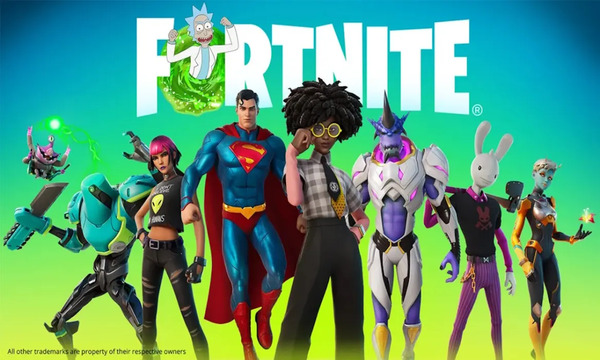
New chapters brought entirely different islands. Seasonal themes reshaped familiar environments. Movement mechanics evolved. Loot pools changed. Collaborations introduced unexpected twists that no one would have predicted during the game's early days.
At some point, the community stopped asking:
"Will Fortnite change?"
and started asking:
"What are they changing this time?"
The expectation itself became part of the culture surrounding the game.
1.3 Players Learned to Anticipate the Unexpected
There's something slightly absurd about millions of people becoming comfortable with unpredictability.
Fortnite somehow managed it.
Long-time players developed an unusual relationship with uncertainty. They understood that favorite locations might disappear. Beloved weapons could be vaulted. Entire systems could transform overnight.
Instead of resisting every change automatically, many players began embracing the excitement of discovery.
Well, after spending a few days complaining about it online first.
Traditions are important.
1.4 Stability Was Never the Goal
This approach occasionally frustrates people who prefer consistency. That's understandable. Familiarity provides comfort, especially in competitive environments.
Fortnite, however, never prioritized comfort above all else.
Its philosophy appears rooted in maintaining curiosity rather than preserving routine. The objective isn't creating an experience that feels identical year after year. It's creating one players continue discussing because they genuinely don't know what might happen next.
Sometimes that strategy succeeds brilliantly.
Sometimes it produces vehicles nobody asked for.
The important part is that Fortnite remains willing to try.
1.5 Why Change Became Fortnite's Brand
Most brands rely on predictability.
Fortnite relies on surprise.
The game has transformed so frequently that reinvention itself became its defining characteristic. Players may disagree about individual updates, but they understand one thing clearly:
Fortnite will not remain exactly as it is.
Ironically, that unpredictability has become the most predictable thing about it.
Conclusion
Fortnite didn't accidentally become synonymous with reinvention. It cultivated that reputation deliberately through years of experimentation. While other games treat change cautiously, Fortnite treats it as part of its DNA. For better or worse, players log in expecting evolution.
2. Fortnite Was Willing to Take Risks Other Games Avoided
Success can make companies cautious.
After all, why tamper with a winning formula?
The gaming industry is filled with examples of developers choosing stability over experimentation. Sometimes that's the right decision. Sometimes it quietly leads to stagnation.
Fortnite consistently chose the riskier path.
2.1 Removing Familiar Systems Required Confidence
Eliminating or dramatically altering established features is rarely popular.
Players invest time mastering mechanics. Communities develop attachments to routines. Even small adjustments can trigger passionate responses.
Fortnite nevertheless demonstrated a willingness to disrupt its own systems repeatedly. Entire maps disappeared. Mechanics evolved. Gameplay priorities shifted.
These decisions weren't guaranteed successes.
Making them anyway required confidence.
Or extraordinary bravery.
Possibly both.
2.2 Not Every Decision Was Popular
Let's be honest.
Fortnite hasn't maintained its relevance by making universally beloved choices.
Every major live-service game has experienced controversial moments, and Fortnite certainly qualifies. Some updates divided opinion. Others inspired enough criticism to fuel weeks of social media debates.
Yet controversy didn't necessarily translate into irrelevance.
If anything, it reinforced the perception that Fortnite remained willing to take chances rather than simply preserving existing formulas indefinitely.
People may complain loudly.
They also tend to notice.
2.3 Short-Term Backlash Didn't Stop Experimentation
One reason many games struggle to evolve is fear.
Fear of upsetting established audiences.
Fear of negative feedback.
Fear of failure.
Fortnite repeatedly demonstrated that temporary backlash wasn't sufficient reason to abandon experimentation altogether. While Epic Games occasionally adjusted unpopular decisions, the broader commitment to innovation remained intact.
The company appeared willing to accept short-term discomfort in pursuit of long-term relevance.
That's easier to admire in hindsight than it probably was during the comment sections.
2.4 Innovation Sometimes Requires Discomfort
People often celebrate innovation retrospectively.
Living through it can feel considerably messier.
Meaningful change disrupts habits. It forces adaptation. It challenges assumptions about what a game should be.
Fortnite's history suggests that discomfort isn't always evidence of failure. Sometimes it's evidence that something genuinely new is happening.
Not every experiment deserves success.
But avoiding experimentation entirely carries its own risks.
2.5 Why Playing It Safe Can Be Dangerous
The greatest threat facing long-running games isn't necessarily criticism.
It's indifference.
Communities tolerate disagreement surprisingly well. What they struggle to overcome is boredom. A game no longer generating excitement, curiosity, or conversation gradually fades from public consciousness.
Fortnite avoided that outcome by refusing to prioritize safety above all else.
The strategy wasn't flawless.
It was memorable.
Conclusion
Fortnite's willingness to embrace uncertainty helped distinguish it from competitors reluctant to challenge their own formulas. Taking risks occasionally invited criticism, but it also kept the game evolving in ways players couldn't ignore.
3. Zero Build Expanded Fortnite's Audience
For years, Fortnite's building mechanics represented both its greatest strength and its greatest obstacle.
Veteran players celebrated the incredible skill ceiling. Newcomers occasionally watched opponents construct luxury apartments before they'd even located the crouch button.
Then Zero Build arrived.
Suddenly, an entirely different audience could imagine themselves enjoying Fortnite.
3.1 Building Was a Barrier for Many Players
Building made Fortnite unique.
It also made Fortnite intimidating.
The gap between beginners and experienced players expanded significantly over time. Mastering construction techniques required dedication, practice, and enough keybind experimentation to make outsiders question what exactly was happening on screen.
Many potential players simply decided the learning curve wasn't worth climbing.
Not because they disliked Fortnite.
Because they disliked becoming accidental spectators during every firefight.
3.2 Zero Build Created a New Entry Point
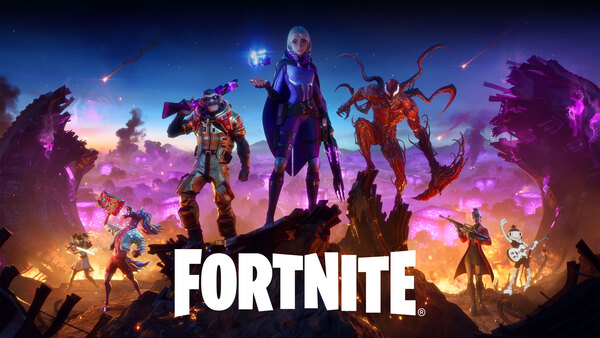
Zero Build removed that obstacle almost overnight.
Players could focus on positioning, aim, and resource management without worrying about whether they needed architectural qualifications to survive late-game encounters.
The mode didn't replace traditional Fortnite.
It complemented it.
By expanding available options rather than eliminating existing ones, Epic Games broadened the game's appeal considerably.
3.3 Returning Players Found a Familiar Experience
Some former players had drifted toward other battle royale titles over the years.
Zero Build gave them a reason to return.
Without abandoning Fortnite's visual identity, pacing, or personality, the mode introduced an experience feeling simultaneously fresh and familiar.
People who once dismissed Fortnite discovered that circumstances had changed.
The game they remembered no longer represented the only version available.
3.4 Accessibility Improved Retention
Accessibility isn't solely about attracting newcomers.
It's also about encouraging people to stay.
When players believe improvement feels achievable, they're more likely to remain invested. Zero Build lowered barriers preventing participation without diminishing the enjoyment experienced by audiences seeking less mechanically demanding alternatives.
Choice strengthened retention.
Different players could engage with Fortnite differently.
3.5 Why One Mode Changed Everything
Few additions in Fortnite's history altered perceptions as dramatically as Zero Build.
It challenged assumptions regarding what Fortnite needed to be. It welcomed audiences who had previously felt excluded. Most importantly, it demonstrated Epic's willingness to reconsider core elements of the experience.
Removing building from Fortnite once sounded unimaginable.
Then it happened.
The game survived.
In some ways, it became stronger because of it.
Conclusion
Zero Build succeeded because it addressed a genuine problem without undermining Fortnite's broader identity. By expanding accessibility and embracing flexibility, Epic Games proved that reinvention doesn't always require abandoning what came before. Sometimes, it simply means creating space for more people to enjoy the experience.
4. Fortnite Evolved Beyond Battle Royale
There was a time when explaining Fortnite was wonderfully simple.
It was that battle royale game with colorful graphics, building mechanics, and enough dance emotes to make an entire generation forget traditional victory celebrations.
Today, describing Fortnite has become considerably more complicated.
Is it a battle royale game? Yes.
Is it also a survival experience, a rhythm game, a racing game, and a platform for community-created worlds?
Also yes.
At some point, Fortnite stopped asking players to enjoy one specific activity. Instead, it started offering multiple reasons to stick around.
4.1 LEGO Fortnite Introduced Survival Experiences
If someone had predicted years ago that Fortnite would eventually include crafting systems, village management, and LEGO versions of iconic skins, they probably would've been laughed out of the room.
Then LEGO Fortnite arrived.
The mode introduced a slower, more cooperative experience focused on exploration and creativity. Instead of surviving against ninety-nine other competitors, players gathered resources, built settlements, and fought environmental threats together.
It wasn't simply a side activity.
It represented a completely different way to engage with the Fortnite ecosystem.
4.2 Fortnite Festival Attracted Music Fans
Fortnite Festival pushed the idea of reinvention even further.
Suddenly, a game famous for battle royale firefights also became a space where players could perform songs alongside friends. The rhythm-based gameplay attracted audiences who might never have considered downloading Fortnite otherwise.
The most surprising part wasn't that Epic attempted something unusual.
It was that the experiment actually made sense within Fortnite's increasingly flexible identity.
At this point, the game has developed the confidence of someone who walks into a costume party wearing absolutely anything because they've stopped worrying whether people will understand the assignment.
4.3 Rocket Racing Added Competitive Variety
Not everyone wants to spend their evening hiding behind cover while debating whether engaging another squad is tactically wise.
Some people simply want to drive extremely fast.
Rocket Racing catered to those players by introducing a competitive experience emphasizing speed, precision, and mastery of entirely different mechanics.
The inclusion highlighted a broader truth about Fortnite's evolution:
Variety had become one of its greatest strengths.
4.4 Creative Mode Encouraged Exploration
Creative Mode transformed Fortnite from a destination into a toolkit.
Players weren't limited to consuming official content. They could design obstacle courses, invent game types, recreate iconic environments, and share their ideas with others.
The relationship between developer and audience shifted.
Epic supplied the canvas.
The community filled in the details.
4.5 Why Fortnite Became More Than One Game
Most games ask players to adapt themselves to a singular experience.
Fortnite increasingly adapted itself to different kinds of players.
Battle royale enthusiasts remained welcome.
Creative builders found opportunities.
Racing fans discovered alternatives.
People who simply wanted to relax with friends gained new options.
This flexibility allowed Fortnite to expand without necessarily replacing what came before.
The question gradually changed from:
"Do you play Fortnite?"
to:
"What do you do in Fortnite?"
Conclusion
Fortnite's longevity isn't solely tied to battle royale success. By expanding into multiple experiences, it reduced dependence on a single formula and invited entirely new audiences into its ecosystem. Reinvention became easier because Fortnite stopped behaving like one game.
5. Nostalgia Became a Strategic Tool
Nostalgia is one of gaming's most powerful resources.
Handled carefully, it reminds players why they fell in love with a game in the first place. Handled poorly, it becomes an admission that the future no longer feels exciting enough on its own.
Fortnite found itself walking that line repeatedly.
Fortunately, it learned that looking backward works best when paired with a willingness to move forward.
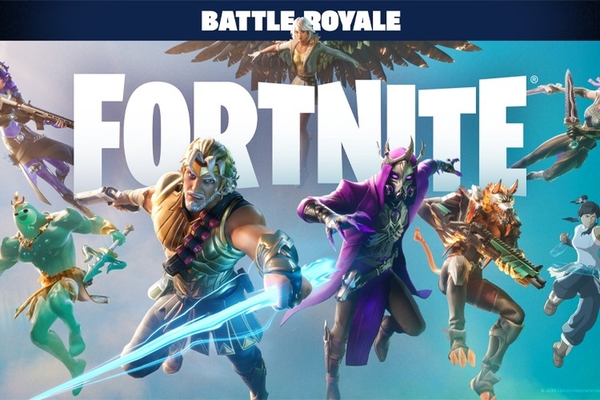
5.1 OG Seasons Triggered Emotional Connections
Returning to earlier versions of Fortnite wasn't merely about old maps or classic weapons.
It was about memory.
Players remembered school friendships, late-night victories, and the excitement of discovering the game for the first time. Revisiting those experiences created emotional resonance extending beyond gameplay mechanics.
The island mattered.
The people associated with it mattered even more.
5.2 Old Maps Created Shared Excitement
The return of familiar locations generated something increasingly rare in modern entertainment:
Collective anticipation.
Players weren't simply revisiting digital environments. They were revisiting stories connected to those spaces. Everyone seemed to have memories tied to Tilted Towers, Pleasant Park, or whichever location had once served as their preferred landing spot.
Even people who had spent years insisting the "old Fortnite was better" suddenly discovered that nostalgia becomes much more enjoyable when accompanied by functioning matchmaking servers.
5.3 Familiar Weapons Brought Back Memories
Weapons carry emotional significance in unexpected ways.
Seeing iconic items return immediately triggered conversations about previous seasons, favorite moments, and arguments regarding which version was objectively superior.
These discussions weren't really about damage numbers.
They were about recollection.
The weapons served as reminders of experiences players had shared years earlier.
5.4 The Past Was Reintroduced Carefully
The key to Fortnite's nostalgic success lay in moderation.
Epic didn't permanently revert the game to earlier versions. Instead, it treated nostalgia like a special event rather than a permanent business strategy.
The message seemed clear:
The past deserves celebration, not permanent residency.
Players could revisit beloved memories without sacrificing opportunities for future innovation.
5.5 Why Nostalgia Works Best in Moderation
Too much nostalgia creates stagnation.
Too little risks disconnecting players from the experiences that shaped community identity.
Fortnite managed to occupy the middle ground. It acknowledged history without allowing history to dictate every future decision.
That's significantly harder than it sounds.
Especially when millions of people simultaneously insist that their favorite season represented the absolute peak of human civilization.
| Nostalgia Done Well |
Nostalgia Done Poorly |
| Revisiting fan favorites occasionally |
Relying entirely on past success |
| Combining old ideas with new updates |
Refusing to evolve |
| Creating limited-time excitement |
Permanent stagnation |
| Celebrating history without repeating it |
Becoming trapped by tradition |
Table 1. How Fortnite Uses Nostalgia Effectively
Note: Nostalgia tends to succeed when it enhances novelty rather than replacing it.
Conclusion
Fortnite demonstrated that nostalgia doesn't have to oppose innovation. When approached thoughtfully, revisiting the past can strengthen emotional connections while preserving enthusiasm for what's coming next.
6. Fortnite Creates Cultural Moments
Most games create memorable matches.
Fortnite creates moments people remember years later.
There's a difference.
One exists primarily within gameplay.
The other expands beyond it.
6.1 Live Events Encourage Participation
Watching highlights afterward isn't quite the same as being present when something unexpected happens in real time.
Fortnite's live events transformed ordinary logins into communal experiences. Players gathered not simply to compete, but to witness change unfolding collectively.
The feeling resembled attending a concert where everyone happened to be carrying assault rifles.
6.2 Crossovers Generate Conversation
Fortnite collaborations became cultural events in their own right.
Sometimes they felt inevitable.
Sometimes they prompted responses along the lines of:
"Wait... they added who?"
Regardless, the discussions generated attention extending far beyond existing player communities.
The game remained relevant because people outside the ecosystem kept hearing about it.
6.3 Shared Experiences Strengthen Communities
Shared experiences build relationships.
People remember where they landed during important matches. They remember who they played with during major events. They remember laughing at unexpected glitches or celebrating improbable victories.
Communities thrive on stories.
Fortnite consistently supplied new ones.
6.4 Spectacle Keeps Attention High
Spectacle isn't everything.
It helps.
Large-scale events encouraged curiosity because they offered something difficult to replicate elsewhere. Whether players loved or criticized particular decisions, the sheer ambition often inspired conversation.
Attention followed naturally.
6.5 Why People Remember Where They Were
Ask long-time Fortnite players about certain events, and many can describe exactly where they were when they happened.
That level of recollection doesn't emerge accidentally.
It develops because experiences felt significant enough to transcend ordinary gameplay.
Games become memorable when they produce stories.
Fortnite became memorable because it repeatedly produced shared stories.
Conclusion
Fortnite's cultural relevance stems partly from its ability to create moments worth discussing. Long after specific updates fade from memory, players continue remembering how those experiences made them feel.
7. Fortnite Encourages Player Creativity
One of Fortnite's smartest decisions involved recognizing that developers don't need to create everything themselves.
Sometimes, the community is more than capable of surprising everyone.
Including the people who built the original game.
7.1 Creative Mode Expanded Possibilities
Creative Mode removed traditional boundaries.
Players could experiment freely, designing experiences tailored to their own interests and imaginations. Competitive arenas existed alongside puzzle maps, social spaces, and concepts difficult to categorize neatly.
The limitations became significantly less restrictive.
7.2 UEFN Empowered Developers
The introduction of Unreal Editor for Fortnite represented another major shift.
Suddenly, creators gained access to sophisticated tools capable of supporting increasingly ambitious projects. The distinction between hobbyist creativity and professional development became less obvious.
Fortnite evolved from entertainment platform into creative ecosystem.
7.3 Players Became Content Creators
Communities flourish when participation extends beyond consumption.
Fortnite encouraged players to contribute ideas rather than simply waiting for official updates. Creators gained opportunities to influence the experiences others encountered daily.
Ownership strengthened investment.
People care deeply about spaces they've helped shape.
7.4 Community Experiences Increased Variety
No development team can match the output of millions of imaginative participants.
Community-driven experiences introduced variety impossible to sustain through official content alone. New ideas emerged constantly because creativity wasn't restricted to a single source.
The ecosystem expanded organically.
7.5 Why User-Generated Content Matters
User-generated content increases longevity because it distributes responsibility for innovation.
Players don't merely return to see what Epic created.
They return to discover what everyone else built.
That's an extraordinarily powerful dynamic.
Especially in an industry where keeping audiences engaged over long periods remains increasingly difficult.
Conclusion
Fortnite encouraged creativity by giving players tools, opportunities, and reasons to contribute. In doing so, it transformed audiences from passive consumers into active participants. Reinvention became easier because millions of people started helping shape what Fortnite could become next.
8. Fortnite Adapted to Changing Player Preferences
One of the fastest ways for a game to become irrelevant is assuming that players will always want the same things.
People change.
Gaming habits change.
Entire generations of players grow up with different expectations regarding accessibility, social experiences, and what they actually want to do when they log in after school or work.
Fortnite understood this earlier than many of its competitors.
Instead of asking players to adapt indefinitely to one vision of the game, it occasionally adapted itself to meet players where they already were.
8.1 Audiences Evolve Over Time
The people who dropped into Fortnite during its early years aren't necessarily looking for identical experiences today.
Some have less free time. Others prefer more relaxed gameplay. New players arrive with entirely different expectations shaped by games that didn't even exist when Fortnite launched.
A game surviving for years inevitably inherits multiple generations of players.
Keeping all of them happy at the same time is roughly as easy as convincing a lobby full of random teammates to agree on a landing spot.
8.2 Accessibility Became More Important
Gaming has gradually become more inclusive, and player expectations have shifted alongside that evolution.
People increasingly value experiences that respect different skill levels, schedules, and playstyles. Fortnite's willingness to introduce alternatives, whether through Zero Build or diverse modes, reflected a broader understanding:
Accessibility doesn't weaken a game.
It expands who gets to enjoy it.
Not every player wants a digital construction exam before surviving their first firefight.
That's perfectly reasonable.
8.3 Variety Reduced Fatigue
Even beloved activities become repetitive when experienced without interruption.
The issue isn't necessarily boredom with Fortnite itself.
Sometimes players simply want something different without leaving the ecosystem entirely.
Fortnite's expanding collection of experiences addressed this problem effectively. Instead of forcing audiences to seek variety elsewhere, the game increasingly provided that variety internally.
Battle royale one day.
LEGO adventures the next.
A racing session because someone in the friend group insists they're secretly destined for Formula 1.
Options matter.
8.4 Listening Sometimes Beats Leading
Innovation often receives most of the attention, but listening deserves recognition too.
Communities frequently identify problems before developers do. Concerns surrounding accessibility, progression, or gameplay frustrations aren't always complaints to ignore.
Sometimes they're opportunities.
Fortnite's evolution occasionally reflected a willingness to acknowledge that players weren't merely consumers.
They were participants helping shape the future direction of the game.
That doesn't mean every suggestion should become reality.
Some ideas absolutely deserve to remain trapped in Reddit comment sections forever.
Still, responsiveness has value.
8.5 Why Flexibility Supports Longevity
Rigid systems struggle to accommodate changing circumstances.
Flexible ones adapt.
Fortnite survived because it demonstrated an unusual willingness to reconsider assumptions. Features once considered essential evolved. New priorities emerged. Alternative experiences gained prominence.
The game's identity expanded rather than contracted.
For long-running titles, flexibility isn't simply useful.
It's often necessary.
Conclusion
Fortnite remained relevant partly because it recognized that players aren't static. Their interests, schedules, and expectations evolve over time. By adapting alongside its audience instead of resisting change, Fortnite positioned itself to endure long after many competitors stopped growing.
9. Fortnite Understands the Power of Surprise
People love surprises.
Well, good surprises.
Nobody enjoys discovering that their favorite weapon has mysteriously vanished five minutes before an important match.
Still, unpredictability has undeniable appeal. It sparks conversation, encourages curiosity, and gives communities something to anticipate together.
Fortnite leaned heavily into that philosophy.
9.1 Unexpected Updates Create Buzz
Predictability has advantages.
It also has limitations.
When players know exactly what to expect months in advance, excitement becomes difficult to sustain. Fortnite repeatedly disrupted expectations through unexpected reveals, dramatic map transformations, and ambitious crossovers.
The community developed a habit of asking:
"What happens next?"
And that question kept people engaged.
9.2 Mystery Encourages Speculation
Few activities unite gaming communities quite like confidently presenting theories that eventually prove completely incorrect.
Fortnite became exceptionally good at fueling speculation.
Small environmental changes sparked debates. Cryptic teasers inspired elaborate interpretations. Fans analyzed details with the dedication of investigative journalists pursuing major political scandals.
Sometimes they were right.
More often, they were entertaining.
9.3 Community Theories Drive Engagement
Theories extend experiences beyond gameplay.
Players aren't merely participating during matches. They're discussing possibilities between sessions, exchanging predictions, and revisiting clues collectively.
Anticipation itself becomes part of the entertainment.
The game remains relevant because conversations continue even when people aren't actively playing.
That's an impressive achievement.
9.4 Anticipation Extends Interest
Excitement doesn't begin when updates arrive.
It begins beforehand.
Waiting for reveals creates emotional investment because people start imagining future possibilities. Hope, curiosity, and excitement blend together into something remarkably effective at sustaining attention.
Fortnite mastered the art of making tomorrow feel interesting.
That's harder than it sounds.
9.5 Why Predictability Can Become Boring
Comfort and excitement don't always coexist peacefully.
Too much consistency risks monotony. Players stop paying attention because they assume the future will resemble the present closely enough.
Surprise interrupts that pattern.
It reminds communities that meaningful change remains possible.
Even people who insist they dislike surprises often become suspiciously invested in discovering what happens next.
Conclusion
Fortnite recognized that uncertainty can be valuable when managed thoughtfully. By preserving a sense of unpredictability, it encouraged curiosity and transformed updates into events communities anticipated together.
10. Fortnite Learned From Its Own Mistakes
Innovation sounds glamorous in retrospect.
In reality, experimentation involves occasional failure.
Sometimes ideas don't work.
Sometimes communities react negatively.
Sometimes developers discover that enthusiasm inside meeting rooms doesn't always translate into enthusiasm outside them.
Fortnite experienced all of the above.
The difference lies in what happened afterward.
10.1 Community Feedback Influenced Decisions
Players generally appreciate feeling heard.
Even when outcomes don't align perfectly with expectations, responsiveness strengthens trust.
Fortnite demonstrated moments where community concerns influenced adjustments, balance changes, and broader design decisions. The process wasn't flawless.
It rarely is.
Still, acknowledgment matters.
People tolerate mistakes more readily when they believe someone is paying attention.
10.2 Reversals Demonstrated Adaptability
Changing direction isn't always evidence of weakness.
Occasionally, it's evidence of maturity.
Fortnite proved willing to revisit earlier decisions when circumstances warranted reconsideration. Reversals can be awkward. They invite criticism from people insisting the original decision should never have happened.
Yet refusing to adapt simply to avoid embarrassment rarely produces better outcomes.
Growth occasionally requires humility.
10.3 Failure Didn't End Experimentation
Perhaps the most impressive aspect of Fortnite's evolution involves persistence.
Experiments didn't stop after setbacks.
The game continued exploring new ideas despite inevitable criticism accompanying ambitious projects. That resilience helped sustain momentum because communities understood something important:
Fortnite wasn't finished trying.
10.4 Trust Requires Responsiveness
Trust doesn't emerge because companies claim to value players.
It develops through repeated demonstrations of attentiveness.
Communities observing adjustments after meaningful feedback gradually become more forgiving toward future experimentation. They understand that mistakes may occur.
They also believe corrections remain possible.
Responsiveness transforms conflict into conversation.
10.5 Why Growth Requires Reflection
Improvement depends on reflection.
Recognizing what worked, what failed, and why communities responded certain ways enables better decision-making moving forward.
Fortnite's willingness to evolve wasn't limited to introducing new ideas.
It extended to evaluating previous ones honestly.
Long-term success rarely belongs to those who never stumble.
It belongs to those who learn effectively afterward.
| Long-Term Games That Struggled |
Fortnite's Alternative Approach |
| Resisted major changes |
Embraced reinvention |
| Relied heavily on established formulas |
Tested new experiences |
| Focused narrowly on one audience |
Expanded player demographics |
| Treated criticism defensively |
Adjusted after feedback |
Table 2. Reinvention Versus Preservation
Note: Reinvention carries risks, but stagnation carries risks as well.
Conclusion
Fortnite's history demonstrates that mistakes aren't necessarily fatal. What matters is how developers respond afterward. Learning, adapting, and remaining willing to experiment helped transform setbacks into opportunities for future growth.
11. Fortnite Balances Familiarity With Innovation
Change sounds exciting in theory.
Experiencing too much of it simultaneously can feel exhausting.
That's the challenge Fortnite continues navigating: evolving enough to remain interesting without evolving so dramatically that players stop recognizing the game they originally enjoyed.
Finding that balance isn't easy.
11.1 Too Much Change Creates Frustration
People develop attachments to routines.
Favorite landing spots.
Preferred mechanics.
Reliable strategies.
Eliminating everything familiar risks alienating communities that helped establish success in the first place. Players don't necessarily oppose change.
They simply appreciate retaining some sense of continuity.
Nobody wants to log in and wonder whether they've accidentally launched an entirely different title.
11.2 Too Little Change Creates Boredom
At the opposite extreme lies stagnation.
Even exceptional experiences lose novelty eventually. Without meaningful updates, excitement gradually diminishes because future possibilities begin resembling past realities.
Communities stop speculating.
Content creators lose inspiration.
Players drift elsewhere.
Consistency becomes complacency.
11.3 Timing Influences Reception
Identical changes can produce dramatically different reactions depending on timing.
Communities may welcome experimentation during periods of enthusiasm while resisting it during moments of uncertainty. Understanding when audiences feel receptive becomes almost as important as understanding what they actually want.
Execution matters.
Timing matters too.
11.4 Consistent Identity Still Matters
Despite countless transformations, Fortnite retained recognizable characteristics.
Its visual style remained distinctive.
Its playful personality endured.
Its willingness to embrace absurdity never disappeared completely.
These constants provided stability amid ongoing evolution.
Change felt less intimidating because something familiar always remained underneath.
11.5 Why Balance Is Difficult
Balancing innovation with familiarity requires navigating competing priorities constantly.
Some players crave novelty.
Others prioritize reliability.
Many somehow desire both simultaneously.
Meeting those expectations consistently might be impossible.
Approaching them thoughtfully, however, remains worthwhile.
Fortnite's success suggests that balance isn't achieved through perfection.
It's achieved through continuous adjustment.
Conclusion
Fortnite endured because it resisted choosing between familiarity and innovation entirely. Instead, it pursued both imperfectly but persistently. In an industry where standing still invites irrelevance and constant upheaval risks alienation, maintaining that balance may be its most impressive accomplishment.
12. Fortnite Became a Platform Instead of a Product
At some point, Fortnite stopped behaving like a traditional video game.
Most games have a fairly straightforward proposition. You buy them, download them, and engage with the experience developers intended. Even live-service titles usually revolve around a central activity that defines everything else.
Fortnite gradually drifted away from that model.
Battle Royale remained important, of course, but it stopped being the entire story. The game evolved into a collection of experiences connected through a shared ecosystem. The question shifted from whether people played Fortnite to what they actually did once they logged in.
That distinction matters more than it might initially seem.
12.1 Multiple Experiences Support Different Audiences
No single game mode can satisfy everyone forever.
Some players thrive in competitive environments. Others prefer collaborative experiences. Some enjoy creating content, while others simply want to spend time with friends without worrying about being eliminated within the first five minutes.
Fortnite increasingly embraced this diversity.
Battle Royale fans found familiar excitement. LEGO enthusiasts discovered survival mechanics. Racing fans had somewhere to channel their inner speed demons. Music lovers gained a surprisingly effective excuse to convince friends they absolutely could keep rhythm.
The audience expanded because the experiences expanded.
12.2 One Ecosystem Encourages Exploration
Convenience influences behavior more than people often realize.
Trying a new game typically involves downloading software, learning systems, and persuading friends to commit. Fortnite reduced much of that friction by placing different experiences under one umbrella.
Players curious about alternative modes didn't need to leave the ecosystem entirely.
They simply clicked a different option.
Exploration became effortless.
12.3 Players Can Switch Activities Easily
Not every evening calls for intense competition.
Sometimes people want high-stakes firefights.
Other times they want something considerably less stressful than discovering an opponent capable of constructing an entire shopping mall before the first circle closes.
Fortnite accommodates both.
That flexibility encourages longer engagement because players aren't forced into a single emotional state every time they play.
12.4 The Definition of "Playing Fortnite" Expanded
Years ago, telling someone you played Fortnite created a fairly specific image.
Now the answer requires follow-up questions.
Do you play Zero Build?
Creative maps?
LEGO Fortnite?
Festival?
Rocket Racing?
The identity of Fortnite broadened alongside its offerings. Participation no longer implied one singular experience.
Ironically, becoming harder to define may have strengthened the game's longevity.
12.5 Why Platforms Outlast Trends
Products eventually lose novelty.
Platforms evolve.
By creating systems capable of supporting different audiences and experiences simultaneously, Fortnite positioned itself to adapt more effectively than titles dependent on one dominant formula.
Trends shift constantly.
Communities change.
Preferences evolve.
Platforms accommodate those transitions more gracefully because they possess room to grow.
Conclusion
Fortnite's transformation into a platform may represent its most significant reinvention. Rather than asking millions of people to enjoy the exact same activity indefinitely, it created space for different experiences to coexist. That flexibility helps explain why Fortnite continues attracting attention long after many competitors have faded from the conversation.
13. What Other Games Can Learn From Fortnite
Fortnite's journey isn't a blueprint every developer should copy exactly.
Not every game needs concerts.
Not every game benefits from introducing race cars into established ecosystems.
And absolutely not every community would survive having its favorite locations vanish overnight.
Still, Fortnite's success offers valuable lessons regarding longevity in an increasingly crowded industry.
13.1 Adaptation Requires Courage
Change sounds exciting in conference presentations.
Implementing it in front of millions of passionate players is considerably more intimidating.
Fortnite demonstrated that meaningful adaptation requires accepting uncertainty. Developers rarely possess guarantees that ambitious ideas will succeed.
Waiting for certainty often means waiting too long.
13.2 Community Investment Creates Loyalty
People support experiences they feel connected to.
Fortnite encouraged participation through events, creativity, speculation, and ongoing conversations. Players weren't merely consumers observing developments from a distance.
They became part of the story.
Loyalty strengthened because communities felt acknowledged.
13.3 Innovation Should Serve Players
Innovation isn't automatically valuable simply because it's new.
The most successful changes addressed genuine needs.
Zero Build reduced barriers.
Creative expanded possibilities.
Alternative modes diversified engagement.
The underlying question remained consistent:
Does this improve the player experience?
Novelty without purpose rarely sustains enthusiasm for long.
13.4 Longevity Depends on Evolution
Gaming history contains countless examples of beloved titles struggling to maintain relevance.
Success creates temptation to preserve familiar formulas indefinitely.
Fortnite resisted that temptation repeatedly.
Evolution wasn't treated as an admission that previous approaches failed.
It became recognition that audiences inevitably change.
13.5 Why Reinvention Is a Competitive Advantage
Many games compete through polish.
Others compete through innovation.
Fortnite increasingly competed through adaptability.
The ability to evolve quickly, experiment boldly, and respond thoughtfully provided advantages extending beyond gameplay mechanics.
Communities remained curious because they understood one thing:
Fortnite wouldn't remain static.
Conclusion
Other games don't need to become Fortnite. They can, however, learn from its willingness to evolve. Reinvention involves risk, but irrelevance often emerges from refusing to change at all.
FAQ
Entity & Technical Questions
What is Zero Build in Fortnite?
Zero Build is an alternative Fortnite mode that removes building mechanics entirely. Players rely on movement, positioning, aim, and environmental awareness rather than constructing defensive structures during combat. The mode opened Fortnite to audiences who appreciated the battle royale experience but never quite mastered emergency architecture.
What is UEFN and how does it work?
UEFN, or Unreal Editor for Fortnite, allows creators to design more sophisticated experiences within Fortnite using professional development tools. It expands what community creators can build, enabling everything from custom adventures to entirely original game concepts.
What is LEGO Fortnite?
LEGO Fortnite is a survival-focused experience within Fortnite that emphasizes exploration, crafting, resource gathering, and cooperative progression. It offers a significantly different pace compared to traditional Battle Royale gameplay.
How does Fortnite Creative differ from Battle Royale?
Battle Royale revolves around competitive survival against other players. Creative Mode provides tools allowing users to design maps, invent game modes, and experiment freely. One tests adaptability under pressure. The other occasionally reveals that your friend has spent three weeks constructing an obstacle course for reasons nobody fully understands.
Insight & Reader Intent Questions
Why is Fortnite still popular after all these years?
Fortnite continues thriving because it evolves consistently. Rather than relying exclusively on past successes, it introduces new experiences, adapts to changing player preferences, and creates moments communities want to discuss together.
Why do players keep returning to Fortnite?
Variety plays an important role. Players can revisit familiar experiences while discovering new ones. Nostalgia, social connections, creativity, and curiosity regarding future updates all contribute to Fortnite's enduring appeal.
Did Zero Build save Fortnite's popularity?
Describing Zero Build as the sole reason for Fortnite's success oversimplifies the situation. However, the mode significantly expanded accessibility and encouraged many former players to reconsider a game they had previously abandoned.
Why has Fortnite survived while other games declined?
Fortnite embraced reinvention rather than resisting it. The game adapted repeatedly, broadened its audience, and diversified available experiences instead of relying entirely on one formula indefinitely.
AI Overview Questions
What makes Fortnite different from other live-service games?
Fortnite distinguishes itself through constant evolution. It regularly experiments with new mechanics, events, and experiences while encouraging community participation through creative tools and user-generated content.
Why does Fortnite reinvent itself so often?
Reinvention helps Fortnite remain relevant in an industry defined by changing trends and player expectations. Rather than preserving stability at all costs, the game prioritizes curiosity, adaptability, and long-term engagement.
How has Fortnite changed over the years?
Fortnite expanded beyond its original Battle Royale identity by introducing modes such as Zero Build, LEGO Fortnite, Rocket Racing, Fortnite Festival, and increasingly sophisticated creative experiences powered by community creators.
What lessons can other games learn from Fortnite's success?
Long-term success depends partly on adaptability. Listening to communities, embracing thoughtful innovation, and recognizing that player preferences evolve over time can help games remain relevant in competitive markets.
Conclusion
Fortnite remains relevant because it refuses to become comfortable. While many successful games try to preserve the formula that made them popular, Fortnite continually experiments with new ideas, audiences, and experiences. Some changes succeed immediately. Others take time to find their place.
What matters is that Fortnite keeps moving.
Perhaps that's the real reason it has endured. Players don't always know what Fortnite will become next, but they know it probably won't be exactly the same as it was before. In an industry where standing still often means fading away, Fortnite chose reinvention instead.
And so far, that decision has worked remarkably well.
Of course, not every update has been universally celebrated. Somewhere out there, someone is probably still upset about a weapon being vaulted three chapters ago. That's part of the process. Reinvention guarantees disagreement because people care deeply about the experiences they've invested in.
Maybe that's the clearest sign that Fortnite is doing something right.
People still care enough to argue about what it should become next.
For a game that has supposedly been "dying" every year since its rise to prominence, that's a rather impressive achievement.