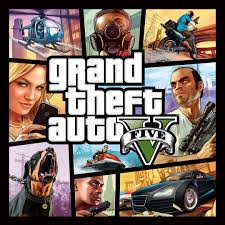
Grand Theft Auto V
All trademarks belong to their respective owners.
Popular Now









Grand Theft Auto V isn't the first game people think of when discussing moral choice. There are no Paragon points to collect, no glowing "good" or "evil" meters, and no dramatic pop-up reminding players that their actions have consequences. Yet more than a decade after its release, fans are still debating whether they made the right decision at the end of the game.
That alone says something important.
GTA V may not offer hundreds of branching paths, but the choices it does provide force players to think carefully about loyalty, responsibility, and what they're willing to sacrifice when every option comes with a cost.
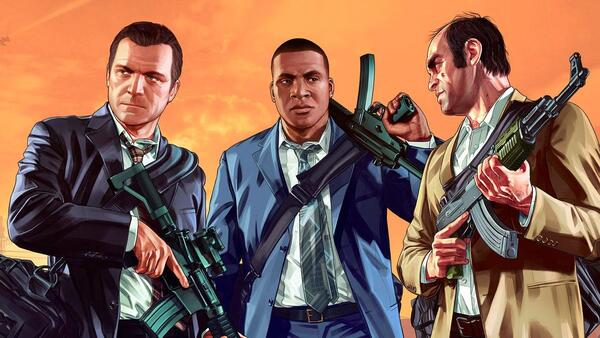 Rockstar doesn't ask players to decide whether they're heroes or villains. Instead, it presents imperfect situations and waits to see which values players prioritize when there's no obvious "correct" answer.

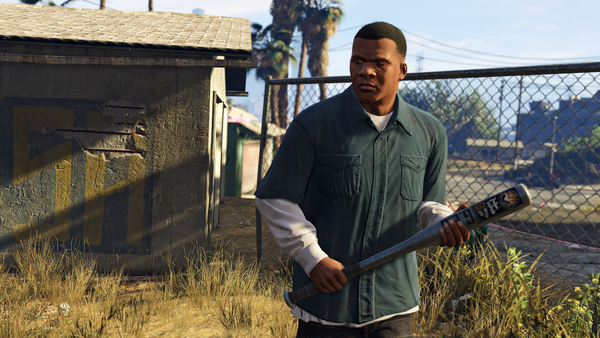

Table 1. Major GTA V Choices and the Values They Reflect
Note: These interpretations aren't definitive. Different players may arrive at the same decision for very different reasons.
Answer First: Does GTA V Use Player Choice to Explore Morality?
Yes, but not in the way traditional RPGs do. Rather than overwhelming players with constant decisions, GTA V saves its biggest choices for moments that carry genuine emotional weight. The game uses these situations to explore themes such as loyalty, justice, self-interest, and personal responsibility. In many cases, the choices reveal as much about the player as they do about Michael, Franklin, and Trevor.
Rockstar doesn't ask players to decide whether they're heroes or villains. Instead, it presents imperfect situations and waits to see which values players prioritize when there's no obvious "correct" answer.
1. Do Choices Really Matter in GTA V?
At first glance, the answer seems obvious. Compared to story-driven RPGs like Mass Effect or The Witcher 3, GTA V offers relatively few major decisions. Most missions follow a fixed structure, and the broader narrative unfolds in largely the same way regardless of how players approach day-to-day gameplay. And yet, the choices that do exist have remained surprisingly memorable.GTA V Focuses on Quality Over Quantity
Rockstar never tried to build a game where every conversation altered the course of history. Instead, the studio concentrated its decision-making moments around situations with strong emotional stakes. The final choice involving Franklin works precisely because players have spent hours building relationships with Michael and Trevor. By the time the game asks players to make a decision, it isn't just selecting an ending from a menu. It's choosing what kind of person Franklin should become and which values deserve protection. A handful of meaningful choices often leave a stronger impression than dozens of minor ones.Consequences Aren't Always About Changing the Story
When people discuss player choice, they usually focus on branching narratives. If the story doesn't dramatically change, some assume the choices didn't matter. GTA V approaches consequences differently. The impact often exists on a psychological level rather than a structural one. Players remember how uncomfortable certain decisions felt. They remember debating endings with friends or replaying missions to explore alternative outcomes. The emotional response becomes part of the experience. In that sense, consequences aren't limited to what happens on-screen. They also include how players interpret their own actions afterward.
Why Players Still Debate GTA V's Endings
Very few games inspire arguments years after release if their choices feel meaningless. Players continue discussing GTA V because the final decisions don't provide perfect resolutions. Every option forces people to weigh competing priorities. Is loyalty more important than accountability? Should self-preservation take precedence over friendship? Is it possible to protect everyone without compromising your principles? The game doesn't answer these questions directly. Instead, it trusts players to decide for themselves. That uncertainty keeps the conversation alive long after the credits roll.2. How GTA V Defines Player Agency
Player agency is often misunderstood as unlimited freedom. In reality, agency is less about doing absolutely anything and more about feeling that your decisions carry significance within the world of the game. GTA V understands this distinction remarkably well.Freedom and Agency Aren't the Same Thing
Los Santos offers enormous freedom. Players can race through traffic, invest in businesses, play tennis, or spend an alarming amount of time causing chaos simply because they can. Narrative agency works differently. Meaningful agency occurs when players believe their choices reflect their values and influence how they experience the story. Even if the broader plot remains largely unchanged, the act of choosing still matters because it creates personal investment. GTA V doesn't provide complete narrative freedom, but it does provide moments of meaningful participation.Rockstar Prioritizes Character Consistency
One reason GTA V limits player choice is because Rockstar wants Michael, Franklin, and Trevor to remain distinct individuals rather than blank slates. Franklin's decisions should feel different from Trevor's because they are fundamentally different people. Allowing unrestricted roleplaying might increase freedom, but it could also weaken the personalities that make these protagonists memorable in the first place. By narrowing the scope of choice, Rockstar preserves character identity while still giving players opportunities to influence important moments.Constraints Can Strengthen Decision-Making
It sounds counterintuitive, but limitations often make choices more meaningful. If players could reverse every decision or access an obvious "best" outcome, moral dilemmas would lose much of their impact. GTA V avoids this problem by presenting situations where every option involves compromise. That tension creates investment. Players hesitate because they understand that something valuable may be lost regardless of what they choose. The absence of perfect solutions forces people to think carefully about what matters most to them. Sometimes, having fewer choices makes each one more powerful.
3. Why Rockstar Uses Limited Choices
For a company capable of building vast open worlds, Rockstar's decision to restrict narrative choice may seem surprising. However, those limitations serve an important purpose. The studio isn't trying to simulate infinite possibilities. It's trying to tell a compelling story.Strong Narratives Require Direction
Completely unrestricted storytelling often creates practical challenges. Characters become less defined, emotional arcs lose momentum, and dramatic moments risk becoming diluted by endless variations. Rockstar prefers a more focused approach. By guiding players through carefully constructed narratives, the studio ensures that key themes receive the attention they deserve. Players may not control every aspect of the story, but they still participate in moments that carry genuine emotional weight. It's a balance between authorship and interaction.Limited Choice Protects Emotional Investment
Imagine if Michael, Franklin, and Trevor behaved however players wanted them to behave at any given moment. The result might offer greater flexibility, but it could also reduce the emotional authenticity that defines GTA V's strongest scenes. Because these characters possess established personalities, their struggles feel more believable. Players aren't shaping entirely new identities. They're navigating difficult situations through the perspectives of people they've come to understand. That familiarity increases the impact of important choices.Rockstar Wants Players to Reflect, Not Optimize
Many RPGs encourage players to search for ideal outcomes. The focus shifts toward maximizing rewards or unlocking preferred endings. GTA V rarely operates that way. Instead of asking, "Which choice provides the greatest benefit?" the game often encourages players to ask, "Which choice feels right to me?" The difference may seem subtle, but it changes how people approach decision-making. Players stop looking for perfect answers and start examining their own priorities. And perhaps that's why GTA V's choices remain memorable despite their relative scarcity. The game isn't interested in testing strategic efficiency. It's interested in testing values. As the story progresses, those values become increasingly important. Because when difficult decisions arise, Rockstar doesn't ask Michael or Trevor to make them. It asks Franklin. And in many ways, Franklin becomes something more than a protagonist. He becomes the player's moral proxy.
4. Franklin as the Player's Moral Proxy
It's probably not a coincidence that Franklin is the character Rockstar places at the center of GTA V's biggest decisions. While Michael is weighed down by his past and Trevor is driven by instinct, Franklin occupies a different space. He's still figuring out who he wants to be. That uncertainty makes him relatable. Unlike the other protagonists, Franklin hasn't fully committed to a particular worldview. He listens, observes, and questions the people around him. As a result, players often project their own values onto him. When Franklin hesitates, players hesitate. When he's forced to choose between competing priorities, players naturally begin asking themselves what they would do in the same situation.Franklin Represents Potential
Michael's story is largely about consequences. Trevor's story revolves around loyalty and chaos. Franklin's story, however, focuses on possibility. He wants a better life, but he's still deciding what "better" actually means. Is success purely financial? Is loyalty more important than personal growth? Can someone escape their environment without abandoning the people who helped shape them? Because Franklin doesn't always have the answers, players become more invested in the choices he makes. His journey feels less like watching a predetermined outcome unfold and more like participating in someone's attempt to define who they are.Why Players Connect With Franklin's Decisions
Many players see parts of themselves in Franklin. He isn't the richest person in the room or the loudest voice in the conversation. More often than not, he's trying to navigate difficult situations without losing sight of his principles. That balancing act feels familiar. Most people have experienced moments where ambition collided with responsibility or where loyalty conflicted with personal well-being. Franklin's decisions resonate because they mirror those kinds of real-life tensions. The stakes may be dramatically higher in Los Santos, but the emotional questions remain surprisingly grounded. When players choose through Franklin, they're often revealing what matters most to them.
5. The Psychology Behind Moral Decisions in Games
One of the most fascinating aspects of video games is their ability to transform passive observation into active participation. Watching a character make a difficult decision in a movie can be emotionally engaging. Making that decision yourself is something else entirely. Suddenly, responsibility feels personal.Why Players Hesitate Before Choosing
Even when the consequences exist entirely within a fictional world, many players pause before making important decisions. They weigh options carefully, consider relationships, and wonder how their actions might affect the outcome. This happens because people don't stop being themselves when they pick up a controller. Their values, experiences, and emotional instincts continue influencing how they approach problems. GTA V benefits from this tendency by presenting choices that lack obvious solutions. Rather than rewarding a clearly "good" path, the game forces players to decide which compromises they can accept.Games Create Emotional Investment
Part of what makes GTA V's choices effective is timing. Rockstar doesn't ask players to make life-changing decisions fifteen minutes after meeting the characters involved. It allows relationships to develop first. Players spend hours with Michael, Franklin, and Trevor before facing pivotal moments. By then, these characters feel familiar. Players understand their motivations, recognize their flaws, and have likely formed opinions about them. That emotional investment increases the weight of every important decision. It's no longer about selecting an outcome. It's about deciding what happens to people players have grown attached to.Moral Choices Encourage Self-Reflection
Perhaps the most interesting outcome of GTA V's decision-making system is that it encourages players to reflect on themselves. Why did one ending feel more satisfying than another? Why did a particular choice seem impossible? Why do different players arrive at completely different conclusions despite experiencing the same story? These questions extend beyond gaming. They invite people to examine the principles guiding their decisions both inside and outside fictional worlds. GTA V may not have been designed as a philosophy course, but it occasionally manages to start conversations that would make philosophy professors very happy.
6. GTA V's Most Important Moral Choices
For a game that limits major decisions, GTA V does an impressive job of ensuring those moments remain memorable. The choices players do receive tend to arrive at emotionally charged points in the story, where simple answers are nowhere to be found. That's exactly why they work.Franklin's Final Decision
No discussion about morality in GTA V is complete without addressing Franklin's final choice. Without venturing too deeply into spoiler territory, the decision forces players to evaluate competing responsibilities and decide which relationships deserve protection. The brilliance of this moment lies in its complexity. There isn't a universally satisfying solution. Every option carries consequences, and each reflects a different set of priorities. Players aren't choosing between obvious good and obvious evil. They're choosing between imperfect alternatives.Loyalty Versus Accountability
Many of GTA V's strongest moral dilemmas revolve around conflicting values. Loyalty may encourage forgiveness, while accountability demands consequences. Self-interest can clash with compassion. Justice may compete with friendship. The game rarely tells players which value should take precedence. Instead, it presents situations where prioritizing one principle often requires sacrificing another. This approach feels more authentic than traditional morality systems built around simple right-or-wrong binaries. Real life isn't always that straightforward. Neither is Los Santos.Why These Moments Remain Memorable
Players don't continue discussing GTA V's choices because they dramatically reshape the entire narrative. They remember them because of how those decisions made them feel. Uncertainty lingers. Alternative outcomes invite curiosity. Personal values become part of the experience. In many ways, GTA V demonstrates that meaningful player choice isn't defined by quantity. A few well-crafted decisions can generate more reflection than dozens of minor branching paths that ultimately lack emotional significance. As the story moves toward its conclusion, another question naturally emerges. If players consistently choose different endings based on their personal values, are they really shaping the characters? Or are the characters quietly revealing something about the players themselves?7. Do GTA V's Endings Reflect the Player?
Ask a group of GTA V fans which ending they chose, and you'll quickly discover that people aren't just defending fictional characters. More often than not, they're defending the values behind their decisions. That's what makes the game's endings so effective. They're less about determining who survives and more about exploring what players prioritize when difficult choices arise.Ending A: Loyalty With Consequences
Players who choose to eliminate Trevor often justify the decision through practicality. Trevor is unpredictable, dangerous, and capable of causing enormous harm. From this perspective, removing him protects everyone else involved. At the same time, the choice raises uncomfortable questions about loyalty. Trevor may be chaotic, but he's also one of the few characters who remains fiercely committed to the people he trusts. Choosing against him can feel like prioritizing stability over personal bonds. Whether players view that decision as responsible or heartbreaking usually depends on the values they bring into the experience.Ending B: Accountability Over Attachment
Choosing to eliminate Michael often reflects a different set of priorities. Michael's history is filled with deception, rationalization, and choices that hurt the people closest to him. Some players view this ending as an acknowledgment that actions should carry consequences regardless of intention. Others find it difficult to accept. After spending so much time with Michael, separating judgment from emotional investment becomes increasingly complicated. Players understand his flaws, but they also understand his regrets. The decision forces people to consider whether personal growth should outweigh past mistakes. There isn't an easy answer, which is exactly why the choice remains memorable.Why Ending C Became the Fan Favorite
Ending C, often referred to as "The Third Way," remains the most popular conclusion among players. On the surface, the reason seems obvious. Nobody wants to lose characters they've spent dozens of hours getting to know. However, the appeal goes deeper than simple wish fulfillment. Ending C offers a rare opportunity for cooperation in a story dominated by conflicting interests. Rather than sacrificing one relationship to preserve another, players are encouraged to imagine a scenario where loyalty, justice, and survival coexist. Some critics argue that the ending feels overly optimistic. Others see it as the emotional payoff the characters have earned. Either way, its popularity demonstrates something important: players often search for solutions that preserve both relationships and principles whenever possible.8. The Illusion of Free Will in GTA V
One criticism occasionally directed at GTA V is that its choices don't significantly alter the broader story. Compared to heavily branching RPGs, Rockstar's approach can appear restrictive. Oddly enough, that restriction may be part of why the choices work.Players Feel More Freedom Than They Actually Have
GTA V gives players enormous freedom during gameplay while maintaining tighter control over its narrative structure. The result is an experience that feels open without sacrificing coherence. Most people don't notice this balancing act during their first playthrough. They're too busy exploring Los Santos, switching between protagonists, and accidentally launching vehicles into places vehicles were never meant to go. By the time important decisions appear, players already feel connected to the world. That connection enhances the impact of even limited choices.Meaningful Choice Doesn't Require Infinite Outcomes
The assumption that agency depends entirely on branching narratives overlooks something important. People don't necessarily remember how many choices they had. They remember how those choices made them feel. A single decision that challenges a player's values can leave a stronger impression than dozens of cosmetic alternatives. GTA V understands this principle and uses it effectively. The emphasis isn't on creating countless endings. It's on ensuring that the endings available generate reflection.Rockstar Prioritizes Storytelling Over Simulation
At its core, GTA V remains a Rockstar game. The studio has always favored strong characterization and cinematic storytelling over unrestricted roleplaying. That approach inevitably limits player control, but it also preserves narrative focus. Michael remains Michael. Trevor remains Trevor. Franklin continues evolving in ways that align with his personality rather than transforming into whatever players happen to prefer. The trade-off won't satisfy everyone. Some players want complete freedom. Others appreciate the stronger storytelling that comes from working within established boundaries. GTA V attempts to find a middle ground, offering enough agency to encourage emotional investment without losing sight of the story it wants to tell.9. How Michael, Franklin, and Trevor Shape Player Decisions
One of GTA V's smartest design choices was dividing the narrative across three protagonists. If the game followed only one character, many of its moral dilemmas would feel significantly less nuanced. Instead, players constantly encounter competing perspectives.Michael Encourages Pragmatism
Michael often approaches problems through the lens of experience. He's seen what happens when plans fail, and he frequently prioritizes outcomes over ideals. Players who sympathize with Michael may find themselves making decisions based on practicality rather than emotion. That perspective isn't inherently wrong. It simply values stability and realism over more aspirational goals.Franklin Encourages Reflection
Franklin occupies the middle ground between Michael and Trevor. He listens more than he speaks, questions the people around him, and genuinely wants to build a better future. Because of this, players often see Franklin as the easiest character to project themselves onto. His uncertainty invites participation. Rather than dictating a specific worldview, Franklin asks players to decide what kind of person they believe he should become.Trevor Challenges Conventional Morality
Trevor serves a different purpose altogether. He disrupts assumptions. His honesty, loyalty, and unpredictability force players to reconsider how they evaluate morality. Trevor rarely behaves in socially acceptable ways, yet moments of sincerity occasionally make players question whether authenticity deserves greater recognition than they initially expected. Even when players disagree with Trevor, they can't ignore him. And perhaps that's exactly the point. By presenting three protagonists with dramatically different values, GTA V encourages players to examine their own beliefs rather than simply accepting a predetermined moral framework. The choices players make aren't shaped solely by the situations they encounter. They're also shaped by whose perspective they trust most.10. Why Players Defend Their Choices
One of the most interesting things about GTA V is how quickly conversations about the game's endings turn into conversations about the people discussing them. Ask someone why they chose a particular outcome, and chances are they'll explain their reasoning with surprising passion. That's because people don't just make choices in games. They justify them.We Naturally Look for Validation
After making a difficult decision, most people want to believe they made the right call. Psychologists often refer to this tendency as cognitive dissonance reduction, but outside of academic circles, it usually sounds more like, "Okay, hear me out. Trevor was completely out of control." Players often reinterpret events to support their preferred outcome. Someone who chose Michael's ending may emphasize accountability and consequences. Another player who selected Ending C might focus on loyalty and redemption. Neither perspective is necessarily incorrect. They're simply prioritizing different values. This process makes discussions around GTA V far more engaging than debates about which weapon loadout performs best.Morality Becomes Personal
The strongest moral choices in games often work because they tap into experiences people recognize from everyday life. Most players haven't robbed banks or escaped from heavily armed government agents. However, they have faced situations involving competing responsibilities, difficult relationships, and uncertainty about the right thing to do. GTA V uses these familiar emotional themes to ground its larger-than-life narrative. Players aren't evaluating abstract ethical scenarios. They're responding through the lens of their own experiences and beliefs. That's why two people can finish the same story and walk away with completely different conclusions.There May Not Be a "Correct" Ending
Many games encourage players to search for optimal outcomes. GTA V resists that temptation by refusing to frame its most important decisions as simple tests with obvious solutions. Each ending sacrifices something. Each ending protects something. The game never pauses to announce which path reflects the highest moral standard. Instead, it invites players to decide what matters most and accept the consequences that follow. That ambiguity may frustrate people looking for certainty, but it's also what keeps these conversations alive years later.11. How GTA V Compares to Other Morality Systems
When discussing player choice, comparisons with other games are inevitable. Titles like Mass Effect, The Witcher 3, and Red Dead Redemption 2 approach morality in very different ways, each with its own strengths and weaknesses. Interestingly, GTA V stands out precisely because it does less.GTA V Versus Traditional RPGs
Games such as Mass Effect build entire systems around moral decision-making. Players constantly choose dialogue options, shape relationships, and influence major story outcomes. The result is a highly personalized experience where agency takes center stage. GTA V adopts a more focused approach. Rather than presenting choices at every turn, Rockstar reserves them for moments designed to have maximum emotional impact. Players may have fewer opportunities to influence events, but the decisions they do make often feel more deliberate. Neither philosophy is inherently better. They simply aim to create different experiences.Red Dead Redemption 2 Uses Morality More Directly
Rockstar itself experimented with a different approach in Red Dead Redemption 2. Arthur Morgan's honor system tracks player behavior and subtly alters dialogue, interactions, and the emotional tone of the narrative. GTA V avoids this structure entirely. There are no morality meters keeping score in the background. Players aren't rewarded for being virtuous or punished for behaving selfishly. Instead, the game trusts them to interpret the consequences of their actions without external validation. For some players, that freedom feels refreshing. For others, it feels incomplete.Why GTA V's Approach Still Works
Despite offering fewer choices than many of its peers, GTA V continues to generate discussions about morality and player agency. That alone suggests Rockstar accomplished something meaningful. The game recognizes that players don't necessarily need constant decision-making to feel invested. Sometimes a handful of well-written choices, supported by compelling characters and emotional context, can achieve the same effect. Quality matters more than quantity. And in GTA V's case, a few carefully chosen dilemmas proved powerful enough to keep fans debating for more than a decade.12. What GTA V Says About Human Nature
Beneath the satire, explosions, and questionable driving habits, GTA V spends a surprising amount of time exploring how people behave when confronted with competing priorities. The answers aren't always flattering.People Rarely Fit Into Simple Categories
One of the game's greatest strengths is its refusal to divide characters into heroes and villains. Michael, Franklin, and Trevor all possess admirable qualities alongside significant flaws. They make selfish decisions. They demonstrate loyalty. They seek redemption. They disappoint the people they care about. In other words, they behave like human beings. This complexity encourages players to move beyond simplistic judgments and consider the circumstances influencing individual choices.Values Often Come Into Conflict
Real moral dilemmas rarely involve choosing between obvious good and obvious evil. More often, they involve deciding which important principle deserves greater priority in a particular moment. GTA V reflects this reality repeatedly. Loyalty may clash with accountability. Compassion may compete with justice. Personal growth may require difficult sacrifices. The game doesn't eliminate these tensions because they represent an unavoidable part of human experience. Sometimes doing the right thing depends entirely on how someone defines "right."Why These Stories Continue to Matter
The fact that players still analyze GTA V years after release speaks to the effectiveness of its storytelling. People return to these characters not because they provide easy answers, but because they raise interesting questions. Would you make the same decision under pressure? How much should people be judged by their worst mistakes? Can someone genuinely change? Video games don't always need to answer those questions directly. Occasionally, their greatest value lies in encouraging players to ask them in the first place.13. Final Verdict: Does GTA V Give Players Real Agency?
The honest answer is yes, although perhaps not in the way some players expect. GTA V doesn't offer unlimited freedom or endless branching narratives. Instead, it focuses on a smaller number of meaningful decisions that encourage reflection and emotional investment. The choices may not radically transform the structure of the story, but they shape how players interpret the characters and the values guiding their actions. In many ways, Rockstar's approach mirrors real life. People rarely control every circumstance surrounding them. What they can control is how they respond when difficult decisions arise. That's ultimately where GTA V succeeds. It doesn't ask players to save the world or accumulate morality points. It simply places them in uncomfortable situations and trusts them to decide what matters most. Whether players prioritize loyalty, accountability, self-preservation, or redemption, those priorities inevitably influence the choices they make. More than a decade later, fans are still debating those decisions. Perhaps that's the strongest evidence of meaningful player agency. The choices mattered enough for people to keep thinking about them long after they turned off the console.Major Moral Choices in GTA V and What They Reveal
| Choice | Values in Conflict | What It May Reveal About the Player |
|---|---|---|
| Choosing Ending A | Stability vs Loyalty | A preference for minimizing future risk, even at a personal cost |
| Choosing Ending B | Accountability vs Emotional Attachment | A belief that past actions should carry consequences |
| Choosing Ending C | Compassion vs Practicality | A desire to preserve relationships and seek collaborative solutions |
| Defending Michael | Redemption vs Responsibility | Greater emphasis on growth and second chances |
| Defending Trevor | Authenticity vs Social Norms | Appreciation for honesty and unwavering loyalty |
| Supporting Franklin | Potential vs Experience | Confidence in personal development and moral growth |
Why GTA V's Moral System Still Works Today
One of the most surprising things about GTA V is how relevant these discussions remain. The game launched in 2013, yet people continue analyzing its characters and debating its endings. That kind of longevity doesn't happen by accident. Rockstar understood something that many games still struggle with: players don't necessarily need dozens of branching storylines to feel invested. What they need are choices that feel emotionally significant.Players Remember How a Choice Made Them Feel
Think back to the first time you reached GTA V's final decision. Chances are, you didn't immediately select an option without hesitation. Most players paused. Some searched online for advice. Others stared at the screen while wondering whether fictional characters deserved this much emotional energy. The hesitation itself is evidence that the choice mattered. People rarely remember every side activity they completed in an open-world game. They remember moments that challenged their expectations or forced them to confront uncomfortable questions. GTA V succeeds because its biggest decisions linger long after the mission ends.The Game Respects Different Perspectives
A weaker morality system would reward players for selecting the "correct" answer. GTA V rarely does that. Instead, it acknowledges that reasonable people can arrive at different conclusions based on the values they prioritize. Some players believe loyalty should never be abandoned. Others argue that accountability matters more. Many simply want the characters they've grown attached to survive. The game leaves space for all of those interpretations. That openness encourages discussion rather than shutting it down with a definitive moral judgment.It Trusts Players to Think for Themselves
Modern games occasionally fall into the trap of overexplaining their themes. Characters announce what players should feel, morality systems assign points to every action, and narrative outcomes reinforce predetermined lessons. GTA V takes a different approach. It presents situations, allows players to respond, and quietly steps aside. The game doesn't hand out certificates confirming moral superiority. It simply invites reflection. For some players, that ambiguity can be frustrating. For others, it's precisely what makes the experience memorable.Key Takeaways
If there's one lesson to take away from GTA V's approach to morality, it's that meaningful choices don't have to be frequent to be effective. The game demonstrates that:- A small number of well-written decisions can create lasting emotional impact.
- Player agency is about significance, not unlimited freedom.
- Different values naturally lead people toward different conclusions.
- Strong characters make difficult choices feel more personal.
- The best moral dilemmas rarely offer perfect solutions.