If you've ever played Poppy Playtime and found yourself staring at an empty hallway for a few extra seconds before moving forward, you've already experienced one of the game's most effective tricks. Nothing may have happened yet. There might not have been a monster in sight or a dramatic soundtrack warning you to run. Still, something in your brain quietly suggested that continuing forward was probably a terrible idea.
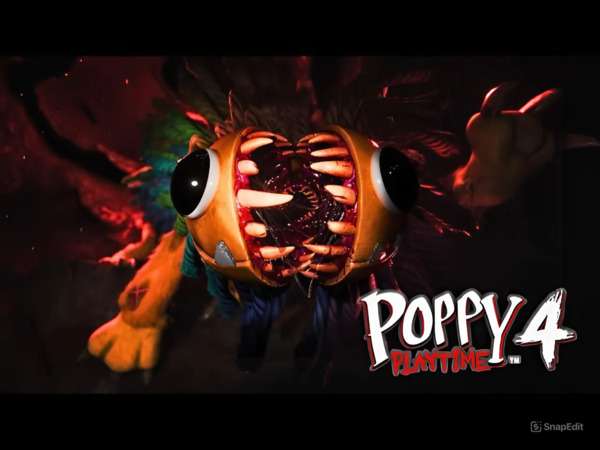
That's what makes Poppy Playtime interesting from a psychological perspective. Unlike horror games that rely heavily on gore or relentless jumpscares, it often achieves the opposite effect by exercising restraint. The game understands that uncertainty is powerful. A closed door can be more frightening than an open one, and a smiling toy mascot can be far more unsettling than a creature that looks obviously dangerous.
Poppy Playtime feels scary because it combines fear of the unknown, corrupted childhood nostalgia, environmental storytelling, and carefully paced tension. Rather than constantly showing players terrifying things, it encourages them to imagine what could happen next—and our imaginations are often much crueler than reality.
The good news is that understanding these psychological techniques doesn't ruin the experience. If anything, it makes you appreciate just how deliberately crafted the horror really is.
1. Why Is Poppy Playtime So Scary?
At first glance, Poppy Playtime shouldn't work as well as it does. The game takes place inside a toy factory decorated with bright colors and mascots that could have been pulled from a children's television show. Yet many players report feeling genuinely anxious while exploring Playtime Co., sometimes long before the game's major horror moments begin.
The reason is simple: Poppy Playtime doesn't rely on a single source of fear. Instead, it layers multiple psychological triggers together until even ordinary situations begin to feel suspicious.
Fear Is Rarely About the Monster Itself
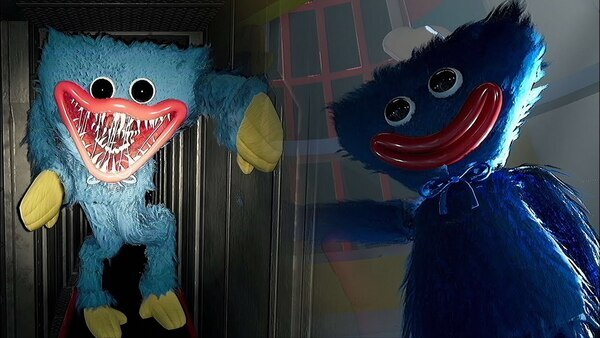
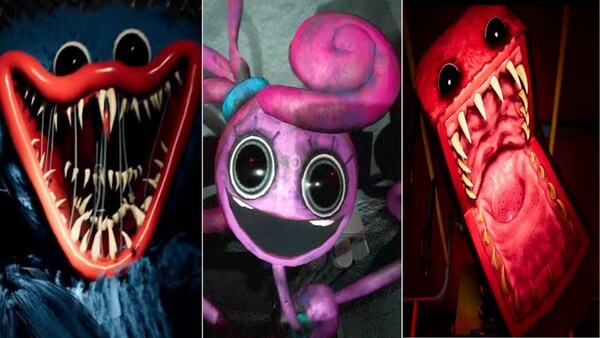
When people discuss horror games, they often focus on the creature responsible for the scares. Huggy Wuggy usually dominates conversations about Poppy Playtime because he's visually striking and serves as the face of the franchise. However, removing the monster entirely wouldn't eliminate all the tension players experience.
Think about the first time you explored the factory. Chances are you weren't completely relaxed, even before anything openly threatening occurred. The empty corridors, unsettling recordings, and lack of clear explanations gradually encouraged you to question whether the environment itself could be trusted. By the time the game introduced obvious danger, your brain had already been preparing for the possibility that something terrible might happen.
This is why many players remember the build-up more vividly than the actual scare. Fear isn't always a reaction to what happens. More often, it's a reaction to what you think might happen.
The Game Uses Multiple Fear Triggers Simultaneously
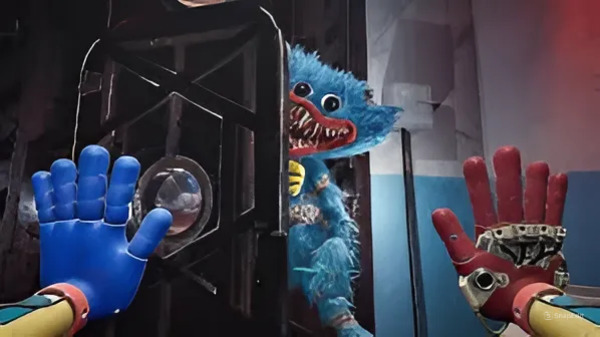
One of Poppy Playtime's biggest strengths is that it doesn't assume everyone is frightened by the same things. Horror is deeply personal, and different players respond to different stimuli. Some people hate being chased. Others find abandoned places unsettling. Plenty of players feel unexpectedly uncomfortable when familiar childhood imagery becomes distorted.
Poppy Playtime combines several of these triggers at once. Throughout the experience, players encounter:
- uncertainty about what happened at the factory,
- anxiety created by isolation,
- discomfort caused by corrupted nostalgia,
- stress generated through anticipation.
By layering these elements together, the game broadens its emotional reach. Even if one particular technique doesn't affect a player, another one often will.
Why Different Players Fear Different Things
One of the more fascinating aspects of horror is how inconsistent it can be. Two people can play the exact same game and walk away with entirely different experiences.
A player who grew up watching children's cartoons may react strongly to the idea of friendly mascots becoming dangerous. Someone with a vivid imagination might struggle more with periods of silence and uncertainty. Meanwhile, another player could breeze through most of the game only to completely lose their composure during chase sequences.
Fear is shaped by personality, experience, and memory. Because Poppy Playtime draws from several emotional sources instead of relying on a single formula, it creates opportunities for many different players to connect with its horror.
Why the Game Feels Scarier Than It Looks
From a visual standpoint, Poppy Playtime doesn't resemble traditional survival horror games. It avoids excessive gore and often presents environments that appear playful rather than threatening. If you showed screenshots to someone unfamiliar with the game, they might not immediately understand why players find it so disturbing.
That contrast is part of the design.
The game intentionally establishes expectations that it later disrupts. Bright colors become unsettling. Toys lose their innocence. Familiar environments transform into places that no longer feel safe. Because the horror emerges gradually rather than announcing itself immediately, players often find themselves feeling uncomfortable before they understand why.
And sometimes, not understanding why you're afraid is exactly what makes the fear more effective.
2. Fear of the Unknown Is More Powerful Than Monsters
One of horror's oldest rules is surprisingly simple: don't reveal everything too quickly. The longer uncertainty survives, the longer fear tends to survive alongside it.
Poppy Playtime embraces this philosophy repeatedly. Instead of explaining every mystery immediately, it trusts players to sit with unanswered questions—and our brains don't particularly enjoy unanswered questions.
The Human Brain Prefers Predictable Threats
Imagine hearing a strange noise in your house late at night. If you discover it's your cat knocking something off a shelf, your anxiety disappears fairly quickly. If you can't identify the source at all, however, your imagination immediately begins brainstorming alternatives.
Unfortunately, imagination rarely aims for the most reasonable explanation.
Psychologists have long observed that uncertainty creates stress because people prefer situations they can understand and control. Predictable threats allow us to formulate responses. Unknown threats force us into a state of vigilance because we don't know what we're preparing for.
Poppy Playtime takes advantage of this instinct by delaying information. Players know something is wrong, but they rarely know exactly how wrong things are.
Imagination Often Creates Worse Scenarios
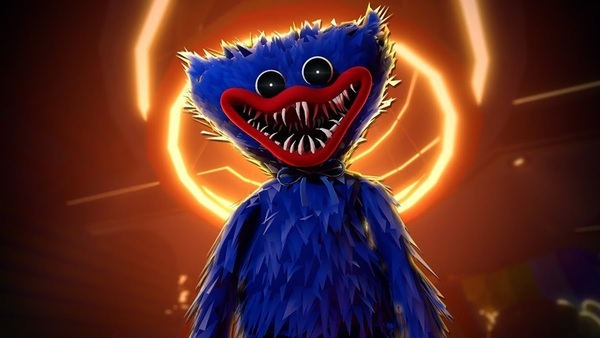
One of horror's greatest collaborators is the audience itself. Given enough ambiguity, people naturally begin filling informational gaps with assumptions.
Consider the early sections of Poppy Playtime. Players understand that the factory has been abandoned under suspicious circumstances, but they don't yet know the full story. Questions begin accumulating almost immediately:
- Where did the employees go?
- Are the toys alive?
- What exactly happened here?
- What else is hidden in the factory?
The game doesn't answer those questions immediately because unanswered questions encourage imagination to take over. In many cases, what players invent mentally proves far more frightening than any direct explanation.
Curiosity Competes With Fear
If fear were the only emotion at work, most horror games would end within five minutes. Rationally speaking, leaving dangerous environments behind is usually an excellent decision.
Curiosity complicates things.
Players want answers. They want to understand the mystery, uncover hidden lore, and figure out whether their theories are correct. Even while anxiety encourages caution, curiosity pushes them forward.
Poppy Playtime thrives in that emotional tug-of-war. Every new clue increases both understanding and uncertainty, making exploration feel irresistible despite the growing sense of dread.
Familiarity Reduces Fear Over Time
There's a reason many horror franchises struggle to maintain the effectiveness of their earliest installments. Once audiences understand how a monster behaves, uncertainty decreases.
The unknown possesses unlimited potential.
The familiar has rules.
Poppy Playtime delays certainty as long as possible because mystery extends emotional investment. As long as players don't fully understand what they're facing, their minds remain active participants in the horror experience.
3. Childhood Nostalgia Becomes Psychological Warfare
Few horror concepts are as effective as taking something associated with comfort and transforming it into a source of unease. Poppy Playtime understands this principle exceptionally well.
Toys Are Supposed to Represent Safety
For many people, toys symbolize positive memories. They remind us of childhood, imagination, birthdays, and carefree afternoons spent inventing stories that made absolutely no sense but somehow felt incredibly important.
Those associations matter.
When players enter a toy factory, they don't automatically expect danger. The setting feels familiar, approachable, and even nostalgic. That initial comfort lowers psychological defenses in subtle ways.
Which makes the eventual discomfort much stronger.
Corrupted Familiarity Creates Unease
A monster designed to look frightening serves its purpose immediately. A toy mascot with oversized eyes and an enthusiastic smile creates a different type of reaction altogether.
Players instinctively recognize that something doesn't fit.
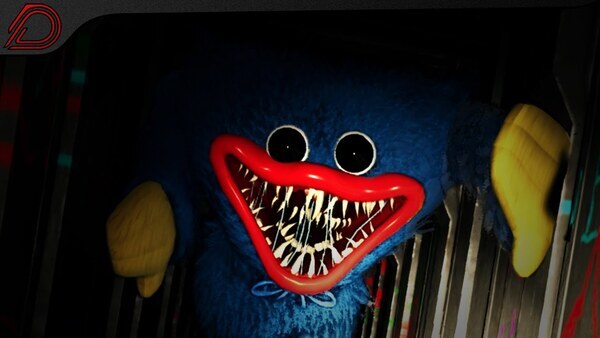
The design language suggests friendliness, while the surrounding atmosphere suggests danger. Those conflicting signals create tension because the brain struggles to reconcile them. Is this character safe or threatening? Harmless or predatory?
The uncertainty itself becomes disturbing.
Cognitive Dissonance Makes Horror More Effective
Psychologists use the term
cognitive dissonance to describe the discomfort people experience when confronted with contradictory beliefs or expectations.
Poppy Playtime repeatedly exploits this phenomenon.
Players may simultaneously think:
"This mascot looks like it belongs in a children's cartoon."
while also thinking:
"I would prefer if this mascot remained several zip codes away from my current location."
Those competing interpretations create emotional friction, amplifying the horror experience without requiring explicit violence.
Why Mascot Horror Resonates Today
Mascot horror has become increasingly popular because it transforms universally recognizable symbols into unexpected threats. Most people understand what toys represent. Most people have nostalgic memories connected to childhood entertainment.
By disrupting those familiar associations, games like Poppy Playtime create horror that feels accessible and immediate. Players don't need extensive explanations to understand why the concept feels wrong.
They simply recognize that something safe has stopped being safe.
4. The Factory Tells a Horror Story
One of Poppy Playtime's smartest decisions is allowing the environment to communicate independently. Rather than relying entirely on exposition, the game encourages players to investigate the factory and construct their own understanding of events.
Empty Spaces Feel Inherently Wrong
Factories are designed for activity. People should be working. Machines should be operating. Hallways should contain movement and conversation.
Playtime Co. offers none of those things.
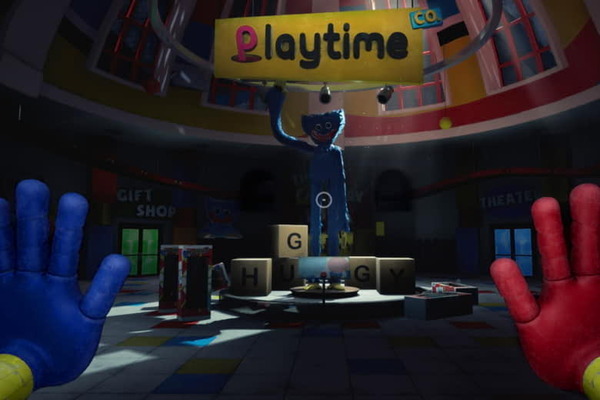
Instead, players encounter silence where routine should exist. That absence creates immediate discomfort because the environment violates expectations. The factory doesn't merely appear abandoned—it feels interrupted, as though ordinary life stopped suddenly without explanation.
And humans tend to find unfinished stories deeply unsettling.
Environmental Clues Reward Observation
Throughout the game, players encounter fragments of information hidden within the environment. Audio recordings, abandoned workstations, and scattered belongings collectively suggest that something catastrophic occurred.
Importantly, these clues rarely provide complete answers.
Instead, they invite interpretation. Players aren't passive recipients of information; they become investigators responsible for assembling the narrative themselves.
That participation increases emotional investment.
Discovery Feels More Personal Than Explanation
Being told that a tragedy occurred isn't the same as uncovering evidence of that tragedy independently.
Self-directed discovery encourages ownership. Players feel responsible for connecting clues, developing theories, and interpreting events. As a result, the story becomes something they actively engage with rather than simply observe.
And engagement tends to strengthen emotional responses.
Isolation Becomes Part of the Horror
The factory consistently reinforces the idea that players are alone. There are no reassuring authority figures waiting around the next corner, no obvious escape routes, and no comforting reminders that help is nearby.
The environment quietly communicates vulnerability.
Sometimes without saying anything at all.
5. Why Waiting Feels Worse Than the Scare Itself
If you've ever found yourself moving cautiously through a horror game because "something feels off," you've experienced anticipation in action.
Oddly enough, anticipation is often more frightening than the scare itself.
Anticipation Creates Sustained Tension
Jumpscares are brief. Anticipation can last several minutes.
As players wait for something to happen, attention sharpens and stress gradually accumulates. Every unfamiliar sound becomes meaningful. Every dark corner deserves suspicion.
The body prepares for danger long before danger actually arrives.
That preparation is exhausting.
The Brain Hates Unresolved Situations
Human beings generally prefer closure. Questions demand answers, and uncertainty encourages continued mental engagement.
Horror games exploit this tendency by delaying resolution. The longer players wait for confirmation regarding whether their fears are justified, the more intensely those fears tend to grow.
Sometimes the anticipation becomes more memorable than the payoff.
Physiological Responses Occur Automatically
During tense moments, players often experience genuine physical reactions despite understanding that the threat isn't real.
Common responses include:
- increased heart rate,
- heightened alertness,
- muscle tension,
- difficulty relaxing.
Logic understands the difference between fiction and reality.
Biology occasionally disagrees.
Jumpscares Work Best When They're Earned
Without sufficient buildup, jumpscares risk becoming predictable interruptions. With effective anticipation, however, they transform into meaningful emotional payoffs.
Poppy Playtime generally understands this balance. Rather than relying exclusively on surprise, it cultivates unease patiently before delivering moments of intensity.
And perhaps that's why players sometimes remember the quiet hallway before the chase more vividly than the chase itself.
Because fear isn't always about what happens.
Sometimes, it's about waiting for it to happen.
6. Why Huggy Wuggy Works So Well as a Horror Character
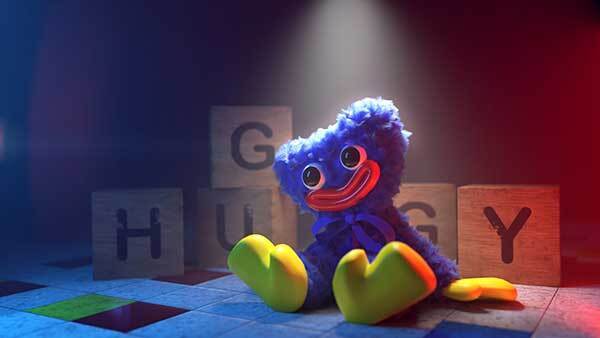
Huggy Wuggy shouldn't be terrifying. At least, not according to the traditional rules of horror design. He's bright blue, covered in fur, and resembles the kind of mascot that would normally encourage children to recycle or sing educational songs about friendship. Yet somehow, this oversized toy has become one of modern gaming's most recognizable horror icons.
Part of what makes him effective is that he doesn't immediately register as a threat. Horror audiences are used to monsters that practically introduce themselves with dramatic lighting and ominous music. Huggy Wuggy takes a different approach. His appearance feels familiar enough to lower players' defenses, which makes the eventual realization that something is deeply wrong far more impactful.
Familiar Designs Create False Security
Human beings rely heavily on visual shortcuts when interpreting the world. We naturally associate certain appearances with safety and others with danger. Toys, mascots, and cartoon characters generally fall into the first category because they are connected to childhood memories and positive experiences.
Poppy Playtime deliberately exploits those associations. When players first encounter Huggy Wuggy, his design communicates friendliness rather than hostility. The game encourages them to approach the character using assumptions developed long before they ever picked up a controller.
When those assumptions collapse, discomfort quickly follows. The emotional reaction isn't simply fear; it's confusion. Something that should feel safe suddenly doesn't, forcing players to reconsider expectations they didn't even realize they had.
The Character Feels Unpredictable
Predictability weakens horror. Once players fully understand how a monster behaves, much of its power begins to fade. Huggy Wuggy remains effective because he initially operates outside familiar horror archetypes.
Players don't immediately know what he wants, how dangerous he is, or what rules govern his behavior. That uncertainty amplifies tension because uncertainty leaves room for imagination. The less information players possess, the more opportunities their minds have to construct increasingly uncomfortable possibilities.
It's one thing to encounter a monster with clearly established behaviors. It's another to encounter something that doesn't seem interested in following expectations at all.
Appearance Alone Isn't Enough
Design can attract attention, but behavior determines longevity. Plenty of horror games feature visually impressive creatures that players forget within weeks because the gameplay surrounding them lacks emotional impact.
Huggy Wuggy's popularity stems partly from how the game integrates him into memorable situations. The character doesn't merely exist as decoration. He becomes associated with pursuit, vulnerability, and the sudden realization that the factory's mascots may not be as harmless as they appear.
That combination of unsettling design and meaningful interaction helps explain why players continue discussing him years after release.
7. The Psychology Behind Being Chased
There are few experiences in gaming that generate immediate panic quite like hearing footsteps behind you and realizing those footsteps are moving much faster than you'd prefer.
Chase sequences have become a staple of horror design because they exploit several deeply rooted psychological responses simultaneously. They introduce urgency, remove control, and transform familiar environments into places of danger.
Losing Control Intensifies Fear
During exploration segments, players generally control the pace of the experience. They decide where to go, what to investigate, and when to proceed. Chase sequences abruptly remove that comfort.
Suddenly, decision-making becomes reactive rather than deliberate. Players no longer have the luxury of carefully considering options because hesitation carries consequences. This perceived loss of control contributes significantly to anxiety, as people naturally prefer situations where they understand both the rules and their ability to influence outcomes.
Poppy Playtime uses this transition effectively. The shift from cautious exploration to desperate movement feels dramatic precisely because it disrupts the rhythm players had previously established.
Familiar Spaces Become Threatening
One of the cleverest aspects of chase sequences is their ability to redefine environments players thought they understood. A corridor that seemed harmless during exploration suddenly feels oppressive when something dangerous is approaching from behind.
The setting itself hasn't changed. The walls remain in the same place, the pathways follow identical routes, and the objectives are often familiar. What changes is context. Players begin noticing obstacles they previously ignored and evaluating spaces according to their usefulness as escape routes.
This transformation reinforces an important horror principle: safety is often temporary. Places that once felt manageable can become terrifying when circumstances shift unexpectedly.
Survival Responses Still Influence Players
Although players understand that fictional threats pose no genuine danger, the body occasionally disagrees. Moments of intense stress can trigger physiological reactions associated with the fight-or-flight response.
During these sequences, players may experience:
- elevated heart rates,
- increased concentration,
- muscle tension,
- heightened awareness of environmental details.
The rational mind understands the distinction between reality and fiction. The nervous system simply notices that something alarming appears to be running directly toward it.
Why Chase Scenes Remain Memorable
Many players struggle to recall every puzzle they completed in a horror game, yet vividly remember pursuit sequences years later. Emotional intensity enhances memory formation, making high-stress experiences more likely to linger.
Because chase scenes require active participation rather than passive observation, they also strengthen feelings of responsibility. Success or failure depends largely on player actions, which increases personal investment.
In short, people remember what made them feel something. Chase sequences excel at accomplishing exactly that.
8. Sound Design Is the Invisible Monster
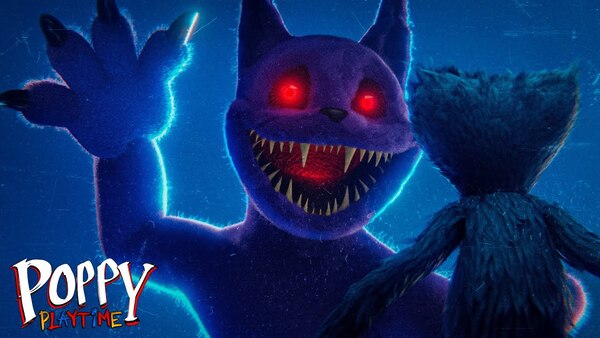
Visuals tend to dominate conversations about horror games, but sound often performs the heaviest emotional lifting behind the scenes. A well-designed audio landscape can transform otherwise ordinary environments into spaces that feel tense, unpredictable, and strangely hostile.
Poppy Playtime demonstrates this repeatedly by treating sound not merely as decoration but as an essential storytelling tool.
Silence Creates Its Own Tension
Many players assume horror requires constant unsettling noises, yet silence frequently proves more effective. Extended quiet periods encourage vigilance because the absence of information invites speculation.
In everyday life, people become accustomed to predictable background sounds. When those sounds disappear unexpectedly, attention sharpens. The mind begins searching for explanations, sometimes inventing them when none are readily available.
Poppy Playtime understands that silence isn't empty. Instead, it functions like a question waiting to be answered, encouraging players to wonder whether something important is about to happen.
Audio Shapes Expectations
Sound influences emotional interpretation long before players consciously recognize its effects. Subtle changes in ambience can signal danger, while shifts in musical intensity may encourage heightened alertness.
Throughout the game, audio cues contribute to a growing sense of instability. Players learn to associate particular sounds with uncertainty, creating patterns of expectation that influence future reactions.
Once those associations form, even minor disturbances can generate discomfort. The brain begins anticipating threats before visual evidence confirms them.
The Brain Prioritizes Unfamiliar Sounds
From an evolutionary perspective, responding quickly to unusual noises offered survival advantages. Identifying potential threats before seeing them increased opportunities for avoidance.
Modern horror games borrow that instinct. Unexpected mechanical sounds, distant movement, or abrupt changes in environmental ambience encourage players to remain attentive because unfamiliarity implies uncertainty.
Uncertainty, as Poppy Playtime repeatedly demonstrates, rarely encourages relaxation.
Great Sound Design Often Goes Unnoticed
Ironically, effective audio design frequently escapes conscious recognition. Players may describe a section as stressful without identifying the specific techniques responsible for generating that stress.
That invisibility represents part of its strength. Rather than demanding attention directly, sound operates subtly, guiding emotional responses in ways players experience more than analyze.
Sometimes the most effective monster in a horror game isn't the one waiting around the corner. It's the strange noise convincing you that something might be.
9. Why Players Keep Returning to Horror Games
If fear feels unpleasant, voluntarily seeking horror experiences seems slightly irrational. Yet millions of players continue returning to games specifically designed to make them uncomfortable.
The contradiction is fascinating because it reveals that fear itself isn't always the enemy.
Fictional Fear Feels Different From Real Fear
Real danger threatens wellbeing. Fictional danger offers excitement within controlled conditions. Players understand that, regardless of how stressful an encounter becomes, they remain physically safe.
This distinction allows people to engage with powerful emotions without suffering genuine consequences. Horror becomes a form of experimentation, providing opportunities to explore anxiety from a secure distance.
Experiencing fear in this context often feels exhilarating rather than overwhelming.
Overcoming Fear Creates Satisfaction
Progressing through frightening situations generates a sense of accomplishment. Players solve puzzles despite mounting tension, survive encounters that initially seemed impossible, and gradually develop confidence in their ability to handle uncertainty.
This transformation contributes significantly to horror's appeal. The experience isn't solely about being frightened; it's also about discovering that fear can be managed.
There is something deeply satisfying about conquering a challenge that previously convinced you to pause the game and reconsider your life choices.
Curiosity Frequently Wins
Fear encourages avoidance. Curiosity encourages exploration. Horror games succeed because they force players to negotiate between these competing motivations.
Poppy Playtime constantly introduces unanswered questions about the factory, its mascots, and the events that shaped its current state. Each new mystery increases emotional investment, encouraging players to continue despite their discomfort.
People don't simply want to survive horror stories.
They want to understand them.
Emotional Variety Enhances Entertainment
Entertainment serves many purposes beyond relaxation. Audiences seek sadness in dramas, excitement in action films, and suspense in thrillers because different emotional experiences provide different forms of satisfaction.
Fear occupies a similar role. When experienced safely, it becomes another avenue through which people engage with stories, test personal boundaries, and explore emotions they might otherwise avoid.
Sometimes enjoyment emerges not from comfort, but from successfully navigating discomfort.
10. How Poppy Playtime Differs From Traditional Horror Games
Poppy Playtime didn't reinvent horror entirely, but it combined familiar techniques in ways that resonated strongly with modern audiences. By emphasizing psychological discomfort over graphic excess, it established an identity distinct from many traditional survival horror experiences.
Atmosphere Matters More Than Gore
Numerous horror titles pursue fear through explicit violence and disturbing imagery. Poppy Playtime generally takes a more restrained approach, relying heavily on atmosphere and implication to create tension.
This strategy broadens accessibility while preserving emotional effectiveness. Players don't require graphic content to feel anxious when uncertainty and anticipation perform the same function.
Sometimes what remains unseen proves more powerful than what is displayed directly.
Contradiction Drives Discomfort
The game's strongest ideas emerge through contrast. Cheerful mascots inhabit threatening environments. Childhood nostalgia collides with adult fears. Bright colors coexist with unsettling implications.
These contradictions generate psychological friction because they challenge expectations. Players struggle to reconcile the comforting imagery with the dangerous realities unfolding around them.
That struggle contributes substantially to the game's distinctive tone.
Mystery Encourages Investment
Traditional horror occasionally prioritizes immediate survival above all else. Poppy Playtime devotes significant attention to mystery, inviting players to investigate rather than merely endure.
Questions surrounding Playtime Co. motivate exploration because understanding becomes as important as escaping. Players aren't simply reacting to threats; they're participating in the gradual reconstruction of a larger narrative.
This investigative element helps sustain engagement beyond individual scares.
Accessibility Expanded Its Reach
Part of Poppy Playtime's success stems from its ability to attract audiences who might not ordinarily gravitate toward horror games. The recognizable mascot designs sparked curiosity, while the underlying psychological sophistication rewarded deeper analysis.
As a result, the game appealed simultaneously to content creators, dedicated horror fans, and newcomers interested in understanding why so many people found a smiling blue toy unexpectedly terrifying.
| Horror Element |
Traditional Horror Games |
Poppy Playtime |
| Primary Fear Source |
Direct threats and violence |
Anticipation and uncertainty |
| Visual Identity |
Dark, realistic environments |
Bright but unsettling settings |
| Storytelling Approach |
Explicit exposition |
Environmental discovery |
| Emotional Focus |
Survival and shock |
Curiosity and psychological tension |
| Monster Design |
Conventional horror creatures |
Corrupted childhood mascots |
Table 1. Comparing Traditional Horror Design With Poppy Playtime's Approach
Note: Individual preferences vary considerably, meaning that different players may respond more strongly to different horror techniques.
By this point, a clear pattern begins to emerge. Poppy Playtime doesn't frighten players through a single brilliant idea. Instead, it layers uncertainty, nostalgia, anticipation, environmental storytelling, and emotional contradiction into a carefully constructed experience.
The monsters certainly matter. The chase sequences matter too. But perhaps the game's greatest achievement lies in convincing players to participate in generating their own fear.
And, more often than not, the human imagination proves remarkably effective at finishing the job.
11. The Role of Imagination in Horror
One of the most fascinating aspects of horror is that audiences don't simply consume it—they actively contribute to it. While developers provide the setting, characters, and narrative framework, players frequently complete the experience themselves through interpretation and expectation.
Poppy Playtime benefits enormously from this collaboration. Rather than explaining every mystery immediately, it allows uncertainty to linger, giving imagination room to operate. The result is often more effective than direct exposition because personal fears tend to feel uniquely convincing.
The Brain Naturally Fills Information Gaps
Human beings dislike incomplete information. Faced with uncertainty, the brain instinctively attempts to construct explanations using whatever evidence is available. This process serves practical purposes in everyday life, but horror stories exploit it brilliantly.
Within Poppy Playtime, players rarely possess a complete understanding of the factory's history or the true nature of its mascots. Instead, they encounter fragments of information that invite speculation. Audio recordings, abandoned spaces, and unexplained events encourage audiences to develop theories long before official answers emerge.
In many cases, these theories become more frightening than reality because they draw directly from each player's unique anxieties.
Ambiguity Makes Horror Personal
Clear explanations create shared experiences. Ambiguity creates individualized ones.
Two players might interpret the same scene differently depending on personal experiences, expectations, and previous exposure to horror. One person may focus on isolation, while another becomes preoccupied with the implications surrounding the factory's missing employees.
This flexibility strengthens emotional engagement because the horror adapts itself to individual perspectives. Instead of dictating precisely what audiences should fear, Poppy Playtime encourages them to participate in constructing that fear.
Mystery Extends Beyond Gameplay
Imagination doesn't stop working when players set down the controller. Unanswered questions often persist long afterward, prompting continued discussion and reflection.
People revisit scenes mentally, reconsider clues, and debate interpretations with others. The horror experience extends beyond individual gameplay sessions because uncertainty continues generating possibilities.
And as any horror fan can confirm, late-night theorizing occasionally feels like an excellent idea right up until bedtime arrives.
Why Suggestion Can Outperform Explanation
Horror frequently becomes less effective once every mystery receives a definitive answer. Explanations provide closure, but closure also reduces uncertainty.
Suggestion, on the other hand, preserves tension.
By resisting the urge to explain everything immediately, Poppy Playtime allows players' imaginations to remain active participants in the storytelling process. Sometimes, what remains unsaid carries greater emotional weight than explicit revelation ever could.
12. Community Theories Made the Horror Even Stronger
Modern horror experiences rarely exist in isolation. The internet has transformed how audiences engage with stories, enabling theories, speculation, and collaborative interpretation to flourish long after release.
Poppy Playtime benefited enormously from this phenomenon.
Shared Curiosity Fuels Engagement
Mysteries encourage discussion. Players naturally compare observations, exchange theories, and debate hidden meanings whenever narratives leave room for interpretation.
Poppy Playtime's fragmented storytelling structure provided fertile ground for exactly these conversations. Questions surrounding the factory, its experiments, and the origins of its mascots encouraged audiences to investigate collectively.
The search for answers became part of the entertainment itself.
Theories Can Amplify Fear
Interestingly, community discussions don't merely clarify narratives. They often introduce entirely new possibilities.
Players identify overlooked details, propose alternative explanations, and highlight implications that others hadn't considered. Occasionally, these interpretations prove more disturbing than official revelations.
Fear expands through collaboration.
In essence, the community begins participating in horror design alongside the developers.
Social Validation Influences Perception
People often evaluate emotional experiences through social comparison. Reading about others' reactions can shape expectations and intensify personal responses.
A player encountering Huggy Wuggy for the first time may already possess awareness of the character's reputation. That anticipation influences perception because expectations affect emotional processing.
Sometimes, knowing that everyone else found something terrifying makes you pay closer attention to whether you should be terrified too.
Horror Thrives in Conversation
Few genres generate as much post-experience discussion as horror. People enjoy revisiting frightening moments precisely because they survived them.
Analyzing what worked, debating unresolved mysteries, and exchanging theories transform individual experiences into communal ones. Poppy Playtime succeeded not only because of what happened within the game but because of the conversations it inspired afterward.
13. Is Poppy Playtime Too Scary for Younger Players?
This question appears frequently, and the answer isn't as straightforward as assigning a universal age threshold.
Fear varies dramatically between individuals, particularly during childhood.
Age Ratings Provide General Guidance
Content ratings offer useful starting points by identifying themes that may concern parents or guardians. However, these recommendations cannot account for individual differences in sensitivity, maturity, or previous exposure to horror media.
Two children of the same age may respond very differently to identical content.
One may view Huggy Wuggy as an exciting villain.
Another may decide that all toy stores deserve significantly more scrutiny.
Psychological Readiness Matters
Chronological age represents only one factor influencing emotional responses. Personality, resilience, and familiarity with suspenseful storytelling also contribute.
Some younger audiences enjoy moderate levels of fear because overcoming fictional challenges feels empowering. Others may experience lingering anxiety that extends beyond the gaming session.
Understanding an individual child's temperament remains more valuable than relying exclusively on generalized assumptions.
Horror Can Create Opportunities for Discussion
When approached thoughtfully, horror occasionally provides opportunities for meaningful conversations about emotions, coping strategies, and media literacy.
Parents and caregivers can discuss questions such as:
- Why do people enjoy scary stories?
- How do games create tension?
- What distinguishes fiction from reality?
- How should we respond when entertainment becomes overwhelming?
Fear itself isn't inherently harmful. Context and support often determine whether experiences remain enjoyable.
There Is No Universal Answer
Ultimately, determining whether Poppy Playtime is appropriate depends on the individual player. Sensitivity to horror exists on a spectrum, and no single recommendation can accommodate every situation.
The important thing is recognizing that "not especially graphic" doesn't necessarily mean "not emotionally intense."
Sometimes, the scariest experiences rely more on atmosphere than explicit content.
14. What Other Horror Games Can Learn From Poppy Playtime
Poppy Playtime's success offers valuable insights into contemporary horror design. While not every approach will suit every project, several underlying principles deserve attention.
Atmosphere Often Matters More Than Spectacle
Large budgets and elaborate visual effects don't automatically produce effective horror. Emotional investment frequently depends on atmosphere, pacing, and anticipation rather than constant escalation.
Poppy Playtime demonstrates that carefully constructed tension can outperform excessive intensity. Players don't need to witness horrifying events continuously to remain engaged.
Sometimes, restraint proves more powerful than excess.
Familiarity Can Become a Source of Fear
The game illustrates how effectively horror can emerge from unexpected places. Toys, mascots, and childhood environments typically symbolize safety, making their corruption especially impactful.
Designers seeking fresh approaches may benefit from examining familiar concepts through unfamiliar lenses.
After all, audiences rarely anticipate danger from things they associate with comfort.
Mystery Encourages Participation
Narratives that leave room for interpretation invite audiences to become collaborators rather than passive observers. Questions sustain interest because people enjoy solving puzzles and constructing explanations.
By withholding selected information strategically, horror creators can encourage deeper engagement that persists beyond the immediate experience.
Curiosity remains one of storytelling's most powerful tools.
Emotional Variety Strengthens Horror
Fear functions most effectively when contrasted with other emotional states. Moments of quiet exploration make intense encounters feel sharper. Curiosity enhances dread. Relief increases appreciation for tension.
Poppy Playtime balances these fluctuations successfully, ensuring that horror never becomes monotonous through overexposure.
Like any effective storyteller, it understands the importance of rhythm.
15. Final Thoughts: Why Poppy Playtime Stays With You
At its core, Poppy Playtime isn't simply a game about dangerous toys inhabiting an abandoned factory. If that were enough, countless similar titles would have achieved comparable cultural impact.
Instead, the game resonates because it understands how people experience fear.
Horror Works Best When It Invites Participation
The most memorable horror experiences rarely provide every answer immediately. They encourage audiences to interpret, speculate, and imagine.
Poppy Playtime repeatedly trusts players to participate emotionally. Rather than overwhelming them with nonstop scares, it creates opportunities for uncertainty to flourish.
That uncertainty keeps people engaged because unresolved questions demand attention.
Contradictions Make Fear More Effective
Throughout the experience, the game repeatedly juxtaposes opposing ideas:
- innocence and danger,
- curiosity and avoidance,
- nostalgia and discomfort,
- familiarity and uncertainty.
These contradictions generate psychological tension because they challenge assumptions that players rarely question elsewhere.
Fear often emerges where certainty disappears.
The Human Mind Remains Horror's Greatest Resource
No matter how sophisticated technology becomes, horror continues relying on one remarkably powerful tool: imagination.
Developers can provide settings, characters, and narratives. Players supply interpretation, expectation, and emotional investment. The resulting collaboration produces experiences uniquely tailored to individual fears.
In many respects, audiences become co-authors of their own discomfort.
Why We Keep Talking About Poppy Playtime
Years after release, players still analyze theories, debate character motivations, and revisit memorable moments from the game. That longevity reflects more than successful marketing or striking visual design.
It reflects emotional resonance.
Poppy Playtime reminds us that horror isn't solely about monsters lurking in dark corridors. It's about uncertainty, vulnerability, anticipation, and the uncomfortable realization that things we once considered harmless may not be harmless at all.
Most importantly, it reminds us that fear doesn't always announce itself dramatically.
Sometimes, it arrives quietly.
It waits patiently in an empty hallway.
And it asks a simple question:
Are you absolutely sure you want to keep moving forward?
Psychological Triggers Behind Poppy Playtime's Horror
| Horror Element |
Psychological Effect |
Why It Works |
| Fear of the unknown |
Anxiety and vigilance |
Uncertainty encourages imagination |
| Corrupted nostalgia |
Cognitive dissonance |
Familiar things become threatening |
| Chase sequences |
Fight-or-flight activation |
Players experience urgency and loss of control |
| Environmental storytelling |
Emotional investment |
Discovery feels more personal than exposition |
| Sound design |
Heightened awareness |
Audio cues shape expectations subconsciously |
| Community theories |
Extended engagement |
Shared interpretation amplifies mystery |
Table 2. Psychological Mechanisms That Contribute to Poppy Playtime's Horror
Note: Individual responses to horror vary considerably based on personality, past experiences, and sensitivity to suspenseful content.
Frequently Asked Questions
Who created Poppy Playtime?
Poppy Playtime was developed and published by MOB Games, formerly known as MOB Entertainment.
What genre is Poppy Playtime?
The game combines elements of puzzle-solving, exploration, survival horror, and mascot horror.
Who is Huggy Wuggy?
Huggy Wuggy is one of Poppy Playtime's most recognizable antagonists, known for his toy-like appearance and unsettling role within the abandoned Playtime Co. factory.
Is Poppy Playtime appropriate for children?
That depends on the individual child. While the game contains limited graphic content, its atmosphere and psychological intensity may be distressing for younger audiences.
Why is Poppy Playtime so scary?
The game combines anticipation, fear of the unknown, environmental storytelling, and corrupted nostalgia to create sustained psychological tension.
Why do chase sequences feel so stressful?
Chase scenes trigger survival responses by introducing urgency, reducing perceived control, and forcing rapid decision-making.
Why are toy-based horror games so effective?
They disrupt expectations by transforming symbols of childhood safety into sources of danger and uncertainty.
Why do people enjoy horror games if they're frightening?
Fictional fear provides excitement within safe conditions, allowing players to experience adrenaline and accomplishment without genuine risk.
What psychological techniques does Poppy Playtime use?
The game relies heavily on uncertainty, anticipation, environmental storytelling, emotional contrast, and social reinforcement through community engagement.
Is fear of the unknown stronger than jumpscares?
For many players, yes. Uncertainty allows imagination to participate, often producing more sustained anxiety than brief moments of surprise.
Why does anticipation increase fear?
Anticipation prolongs emotional tension by delaying resolution and encouraging players to imagine potential outcomes.
What makes mascot horror so successful?
Mascot horror combines familiarity with discomfort, using childhood imagery to challenge assumptions about safety and trust.